
Malaysia’s Trusted Wooden Flooring Installer Specialist
15+ Years of Experience • 2.5M+ Sq. Ft. Installed • 5-Star Rated by Residential & Commercial Clients
Summit World Resources Flooring (SWHOM SDN BHD) supplies and installs flooring solutions i.e. solid timber, engineered wood, SPC, waterproof laminate, outdoor decking, etc across Klang Valley, Greater Kuala Lumpur & beyond.

Brand Leadership: Flooring Solutions Award 2026
B.U.I.L.D.E.R.S. Industry Forum & Awards (BIFA) 2026 | Winner: SWHOM SDN. BHD. (Summit World Resources Flooring)

The World's Best Brands: Property Branding Award 2024
The BrandLaureate BestBrands Awards (Year 2024) | Winner: SWHOM SDN. BHD. (Summit World Resources Flooring)

Reader's Digest Trusted Brand Award 2024 (Gold Winner)
Voted by Consumers (26th Anniversary Edition) | Awarded to Summit World Resources Flooring (SWHOM SDN. BHD.)

Trusted Timber Flooring Contractor
Recommended by Trusted Malaysia | Awarded to Summit World Resources Flooring (SWHOM SDN. BHD.)

South East Asia Business Awards: Best Timber Flooring Specialist 2022
APAC Insider South East Asia Business Awards (Year 2022) | Winner: SWHOM SDN. BHD. (Summit World Resources Flooring)

South East Asia Business Awards: Best Timber Flooring Specialist 2021
APAC Insider South East Asia Business Awards (Year 2021) | Winner: SWHOM SDN. BHD. (Summit World Resources Flooring)
15+ Years of Flooring Experience
Practical flooring knowledge covering product selection, site measurement, installation and timber restoration.
2.5M+ Sq Ft Installed
A substantial installation track record across residential and business projects.
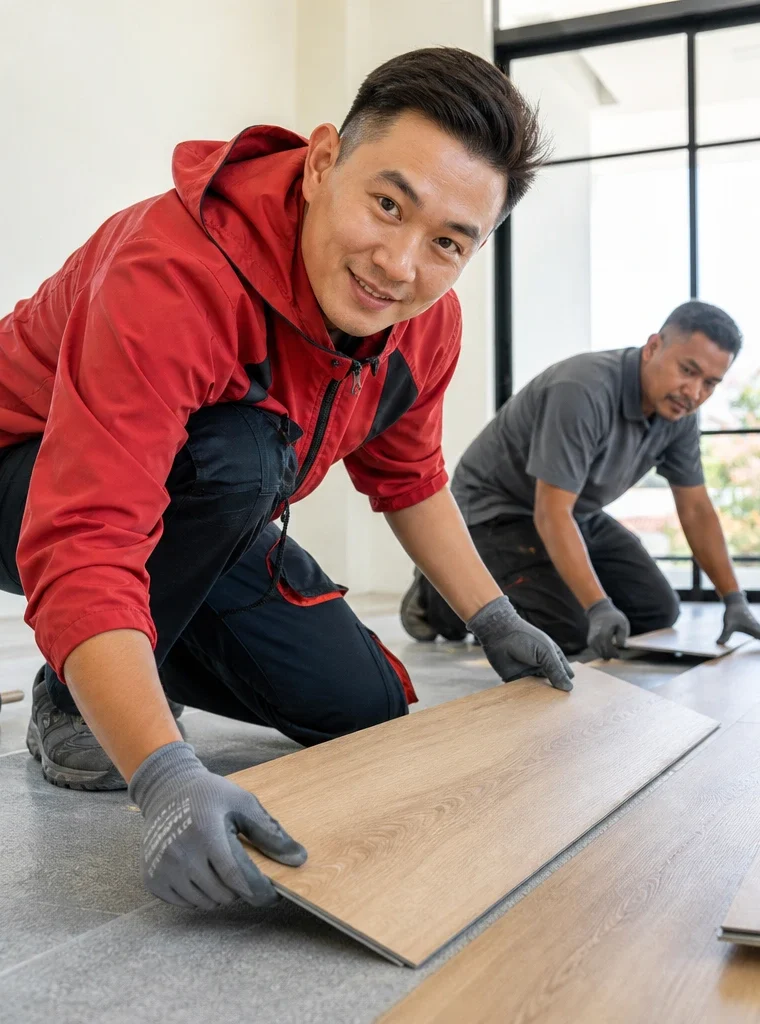
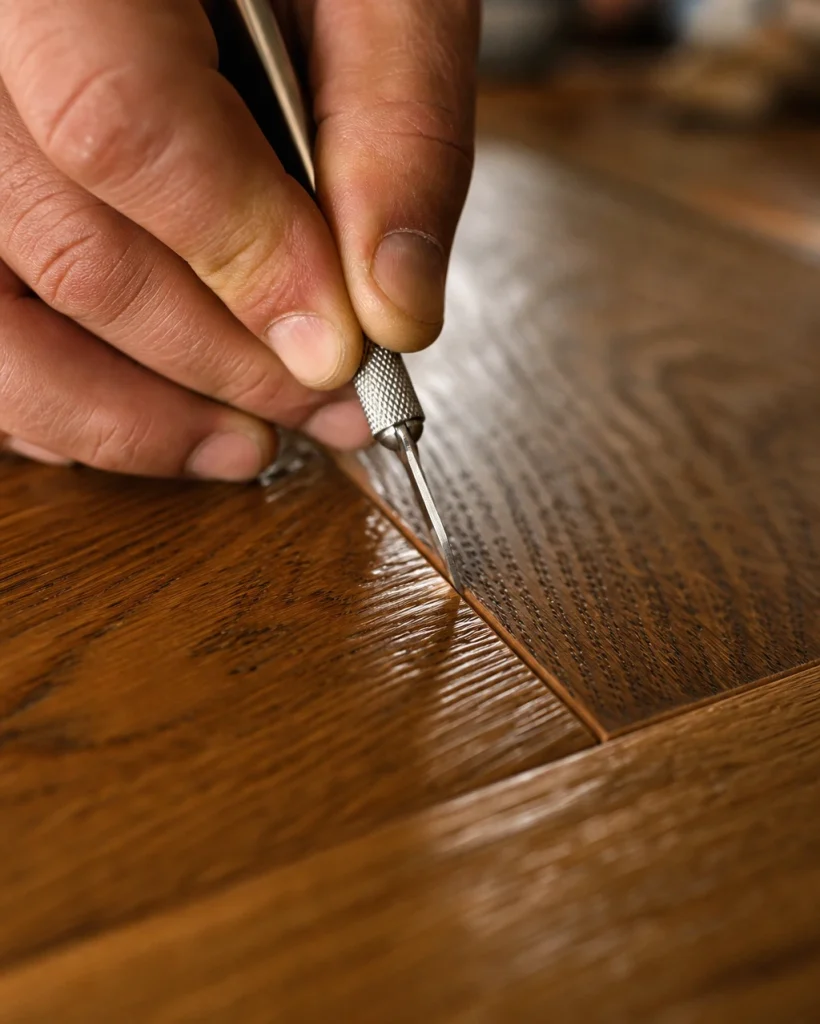
Years Of Experiences
About Summit World Resources Flooring(SWHOM SDN BHD)
A One-Stop Flooring Specialist from Subang Jaya(Selangor), Malaysia
Summit World Resources Flooring (SWHOM SDN BHD) is a premier timber or wooden flooring specialist based in Subang Jaya, Selangor, Malaysia. Summit World supplies and professionally installs high-quality engineered oak timber flooring, solid hardwood, SPC vinyl, laminate flooring, durable outdoor wood decking,etc.
Serving clients across the Klang Valley/Greater Kuala Lumpur & nationwide, Summit World’s expert team crafted complete indoor flooring systems, outdoor decks, timber stair treads, skirtings, and custom architectural finishes. Summit World partners directly with residential homeowners, interior designers, architects, building contractors, and commercial project owners to deliver tailored, long-lasting flooring solutions!
- Supply and professional installation
- Site measurement and installation support
- Residential and commercial project experience
- Flooring design and/or material consultation
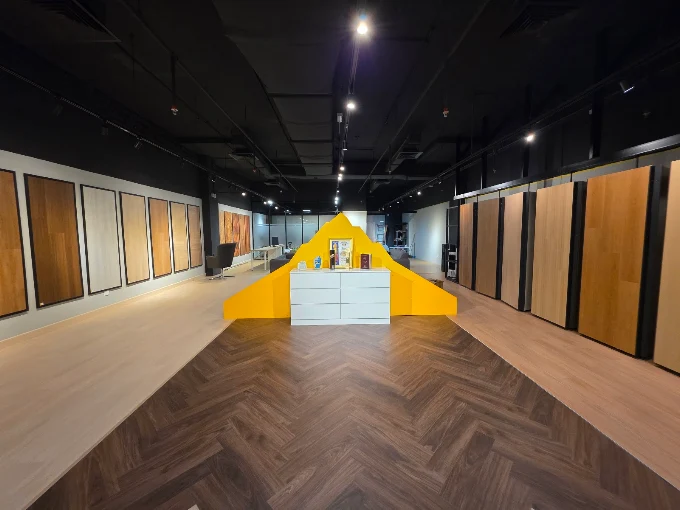
- Experience the product samples via physical showroom at Summit USJ Mall, Subang Jaya, Selangor
- Timber restoration, grinding and varnishing available
- Profiles, skirting and underlay options available
Supply & Professional Installation
End-to-End Timber or Wooden Flooring Supply, Installation & Consultation
Summit World Resources Flooring(SWHOM SDN BHD) specializes in the complete supply and precision installation of premium engineered oak, solid hardwood, SPC vinyl, laminate flooring, and outdoor wood decking.
Serving residential homes and commercial spaces across the Klang Valley and nationwide, team Summit World/SWHOM SDN BHD delivers tailored, long-lasting flooring crafted to precise architectural standards.
SPC Flooring
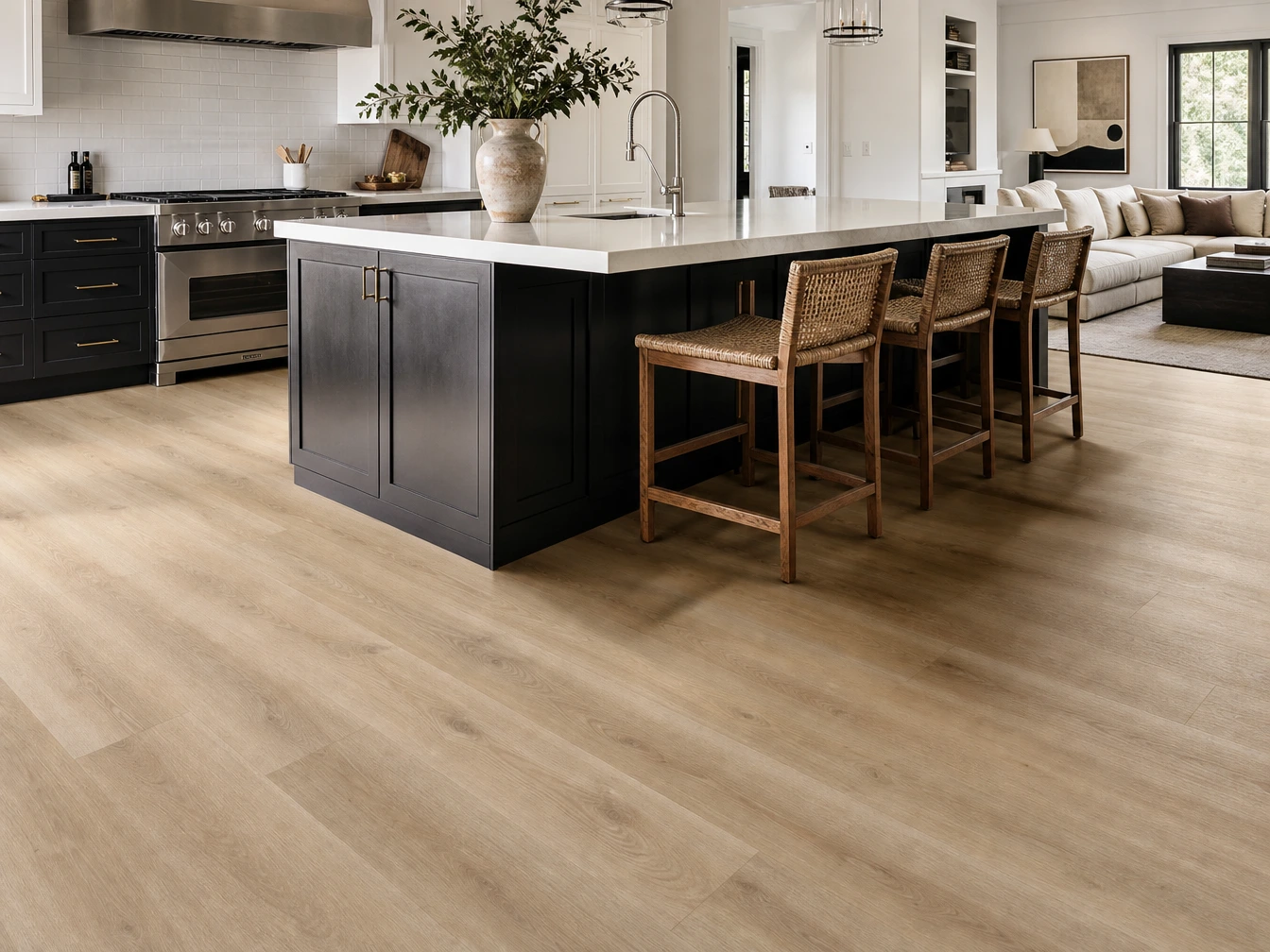
Limestone-PVC composite rigid click flooring. Available in straight, chevron, herringbone, stone-look, acoustic & LamiSPC formats.
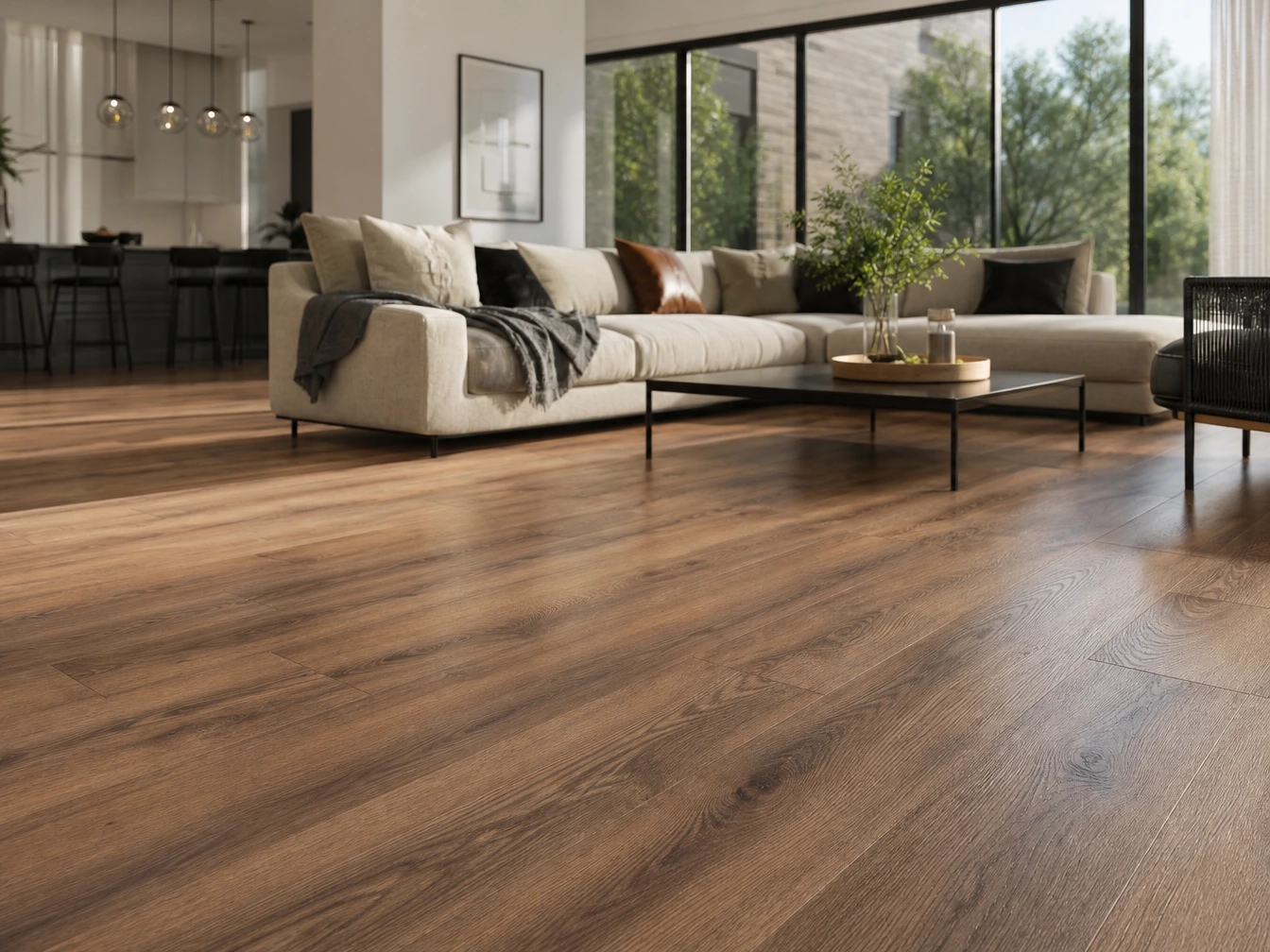
WPL Waterproof Laminate
Waterproof laminate and CDF flooring featuring moisture-resistant joints and high durability.
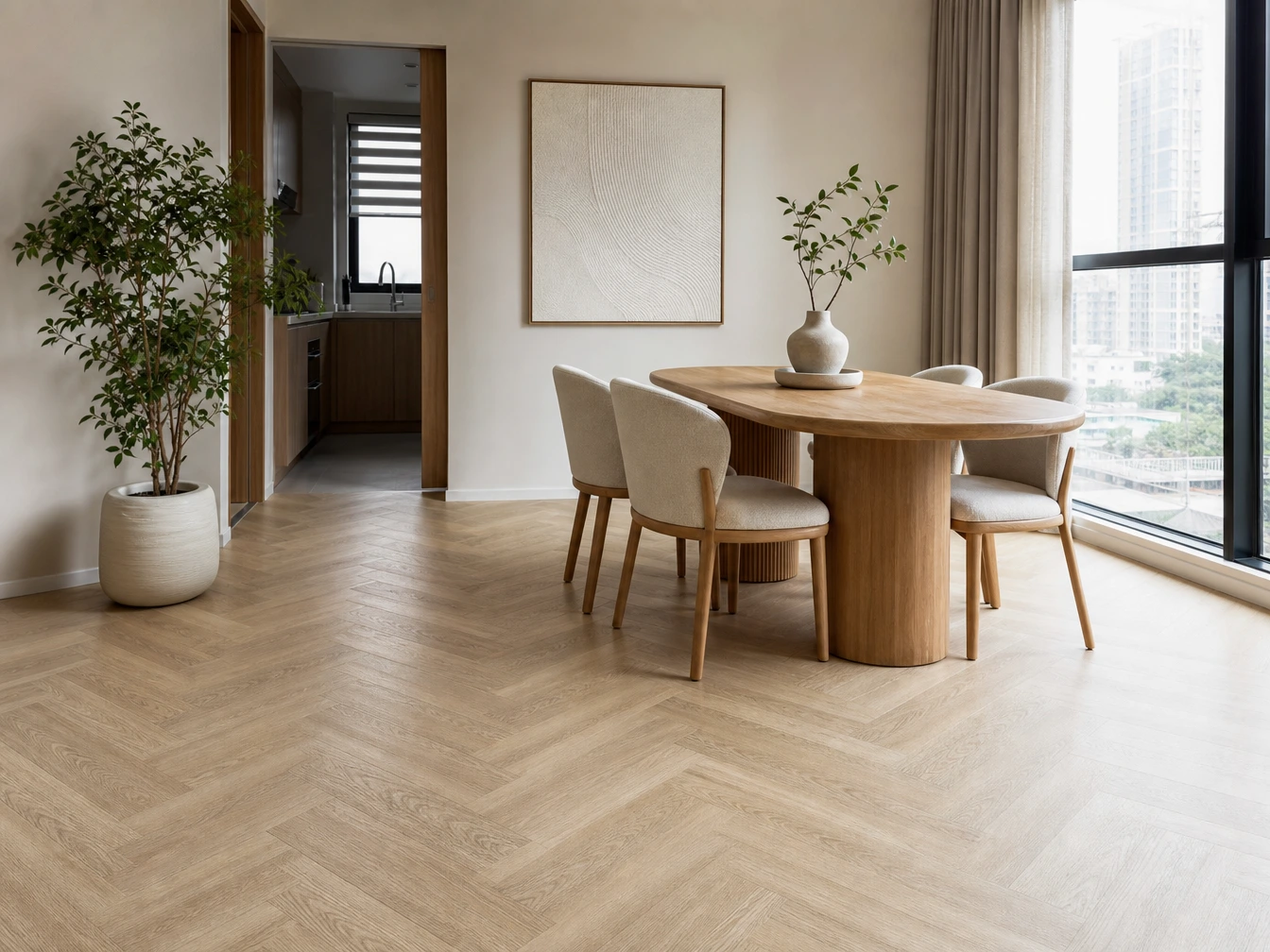
LVT / Vinyl Click Flooring
Comfortable, easy-care vinyl click flooring with flexible PVC/vinyl cores, realistic printed décor and multiple wear-layer options.
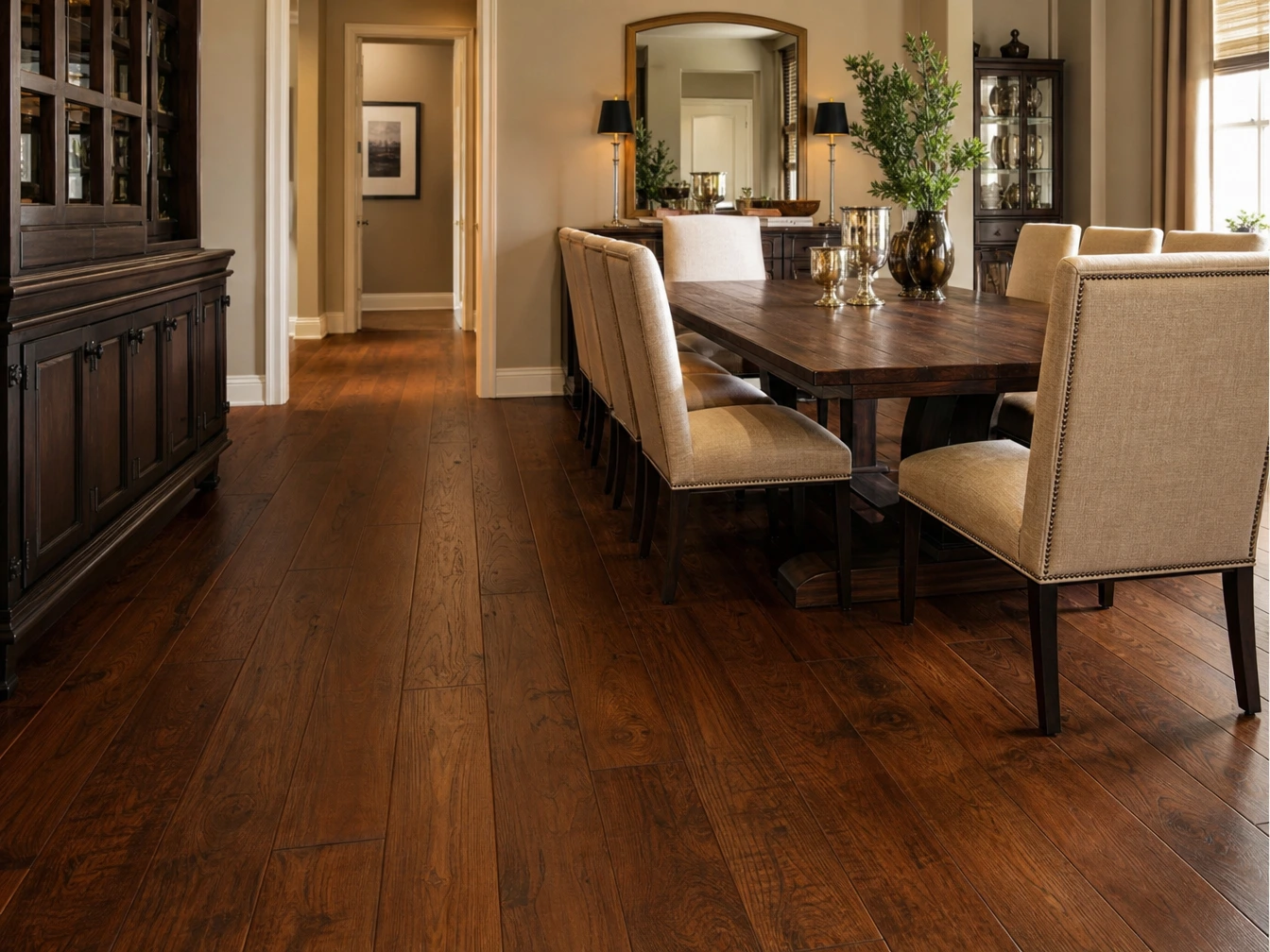
Solid Timber Flooring i.e. Engineered Wood Floor
Natural hardwood flooring in Merbau, Oak, and Teak across versatile widths and thicknesses.
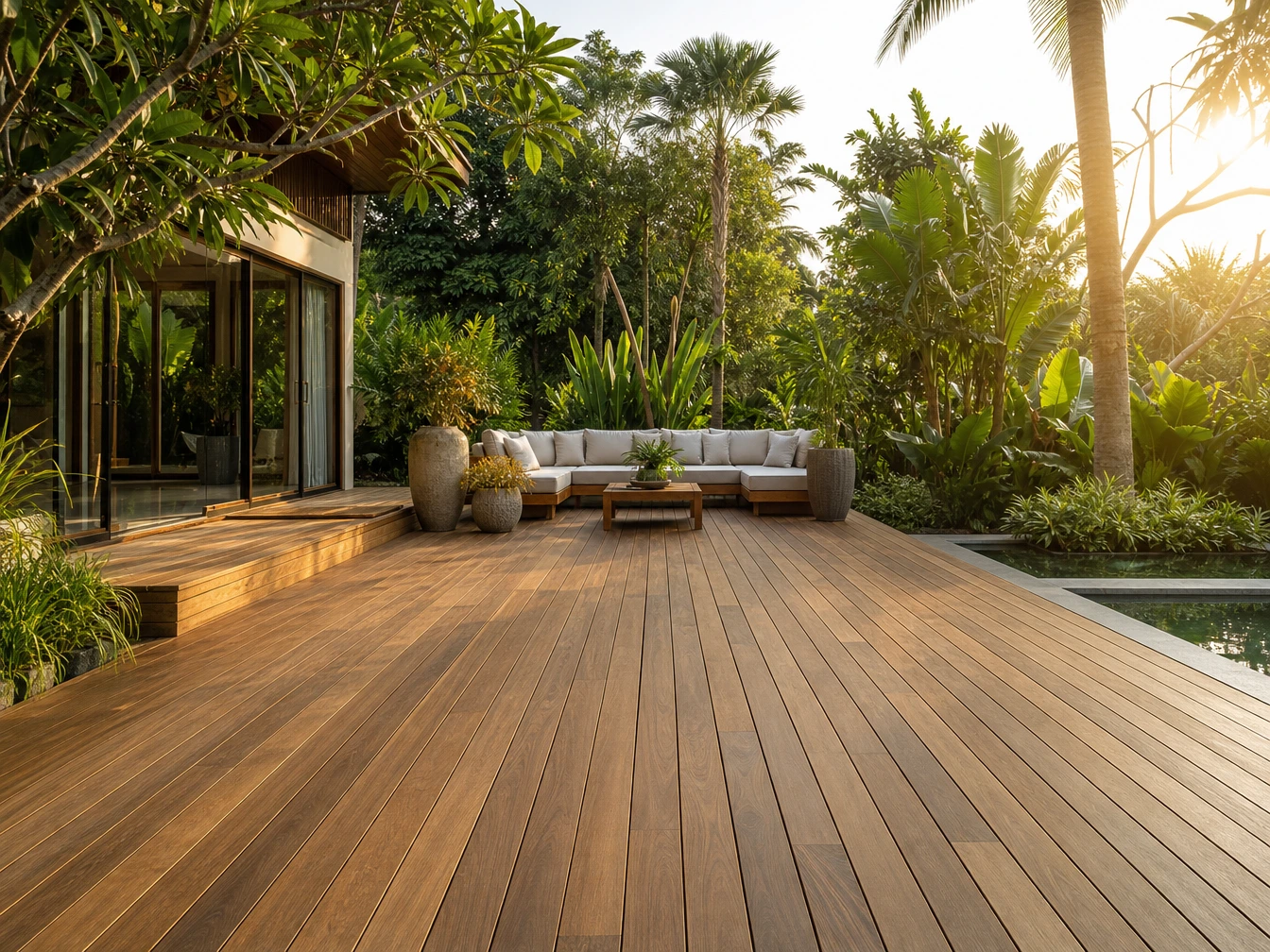
Timber Decking
Premium hardwood decking in Chengal, Belian, Giam & Balau for outdoor spaces.
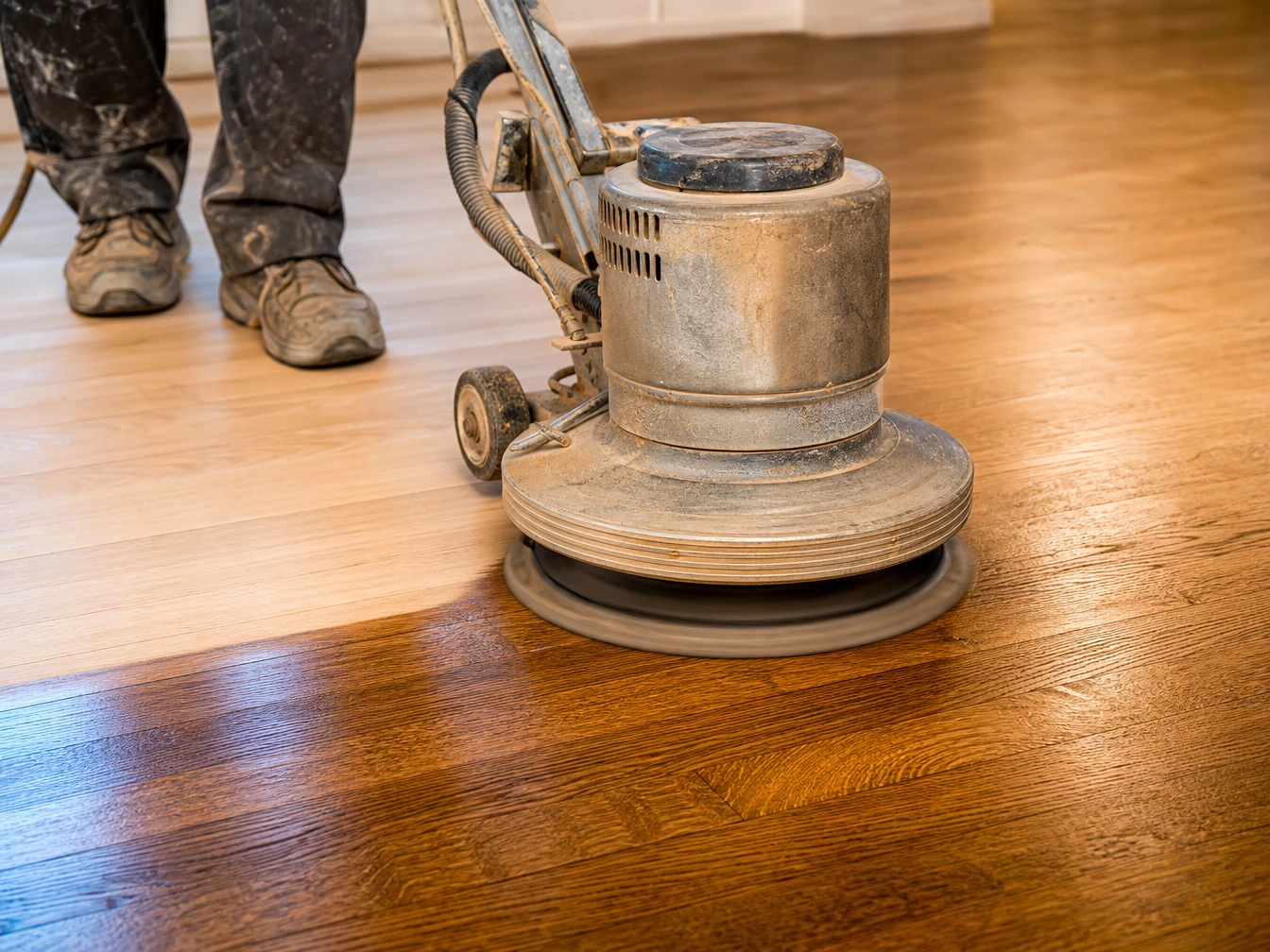
Floor Grinding & Varnishing
Grinding, sanding & varnishing services to restore existing timber & parquet floors.
Why ChooseSummit World Resources Flooring(SWHOM SDN BHD)
Practical Flooring Advice, Clear Specifications and Experienced Installation
Summit World Resources Flooring(SWHOM SDN BHD)'s Recent Projects
Real Flooring Projects Across Homes, Retail, Hospitality & Workspaces
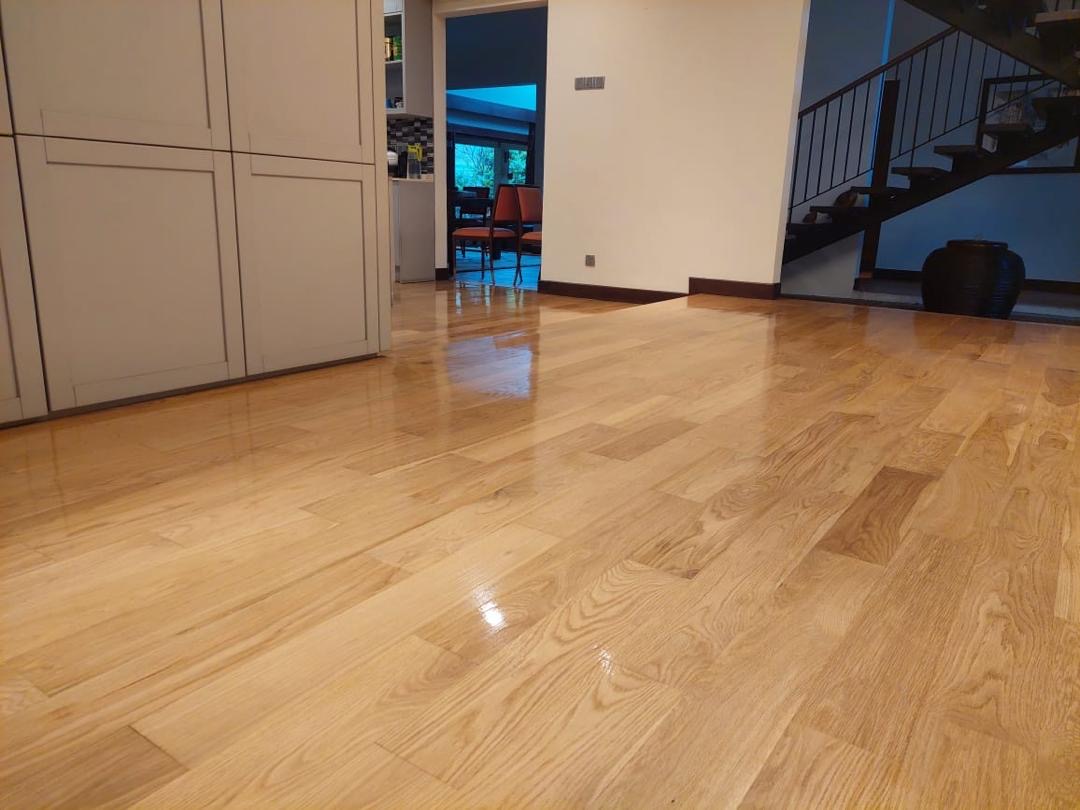
Solid Timber Flooring, American White Oak
Residential Interior
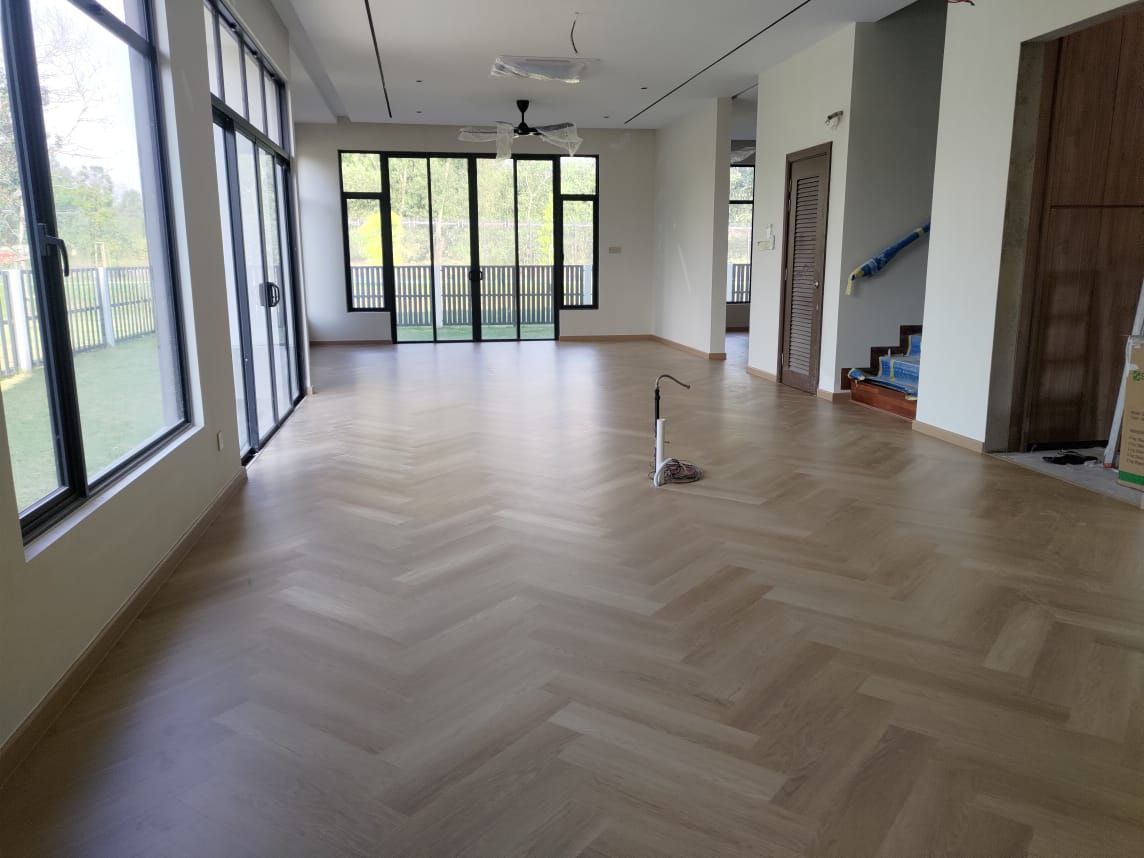
SPC Flooring, Herringbone, Ixora Oak
Klang Valley Residence
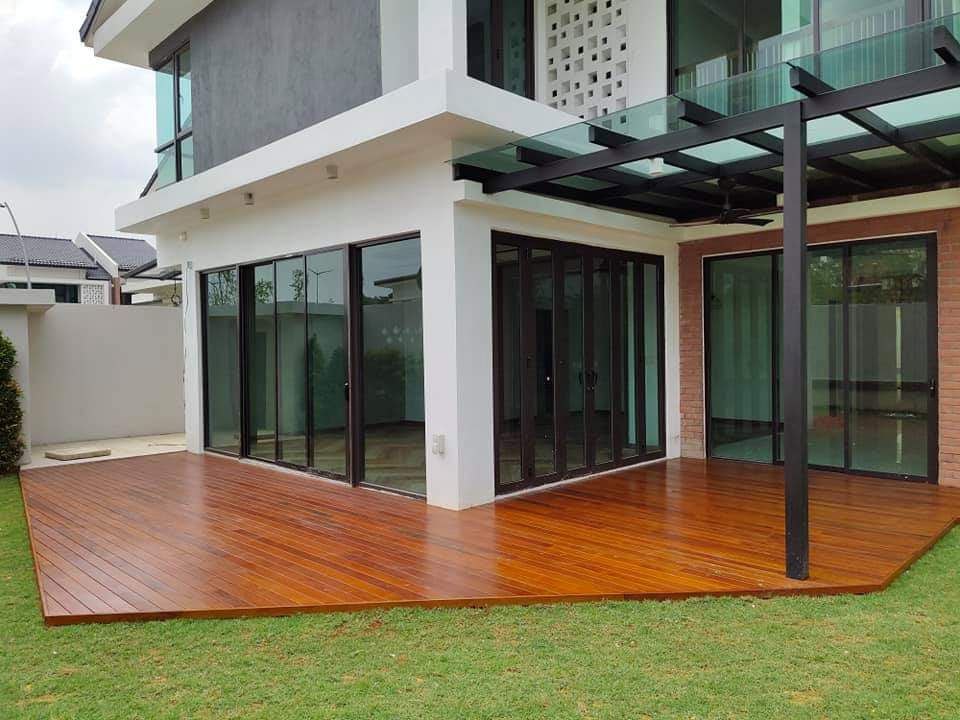
Timber Decking
Landed Home Outdoor Area
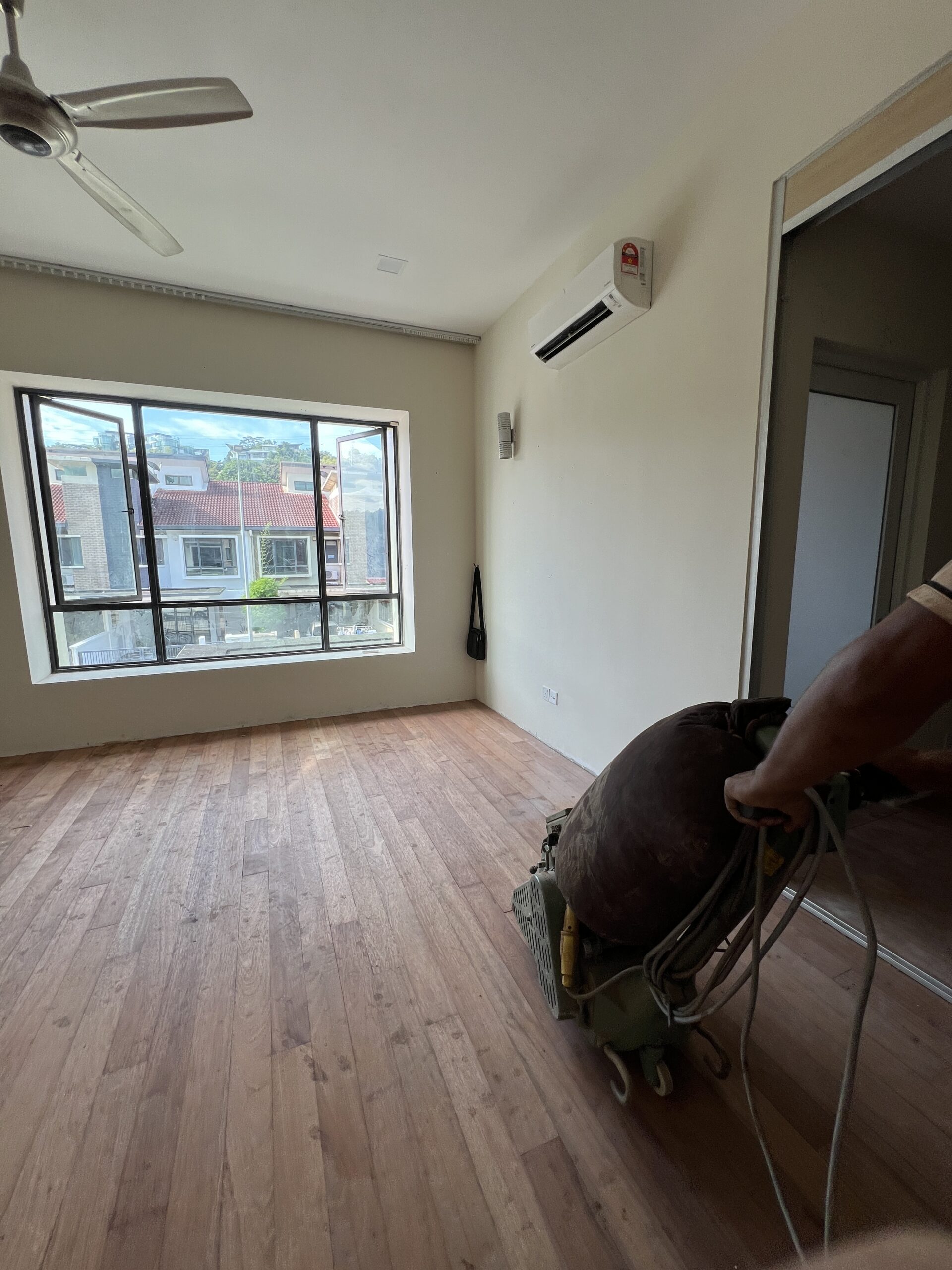
Floor Grinding & Varnishing
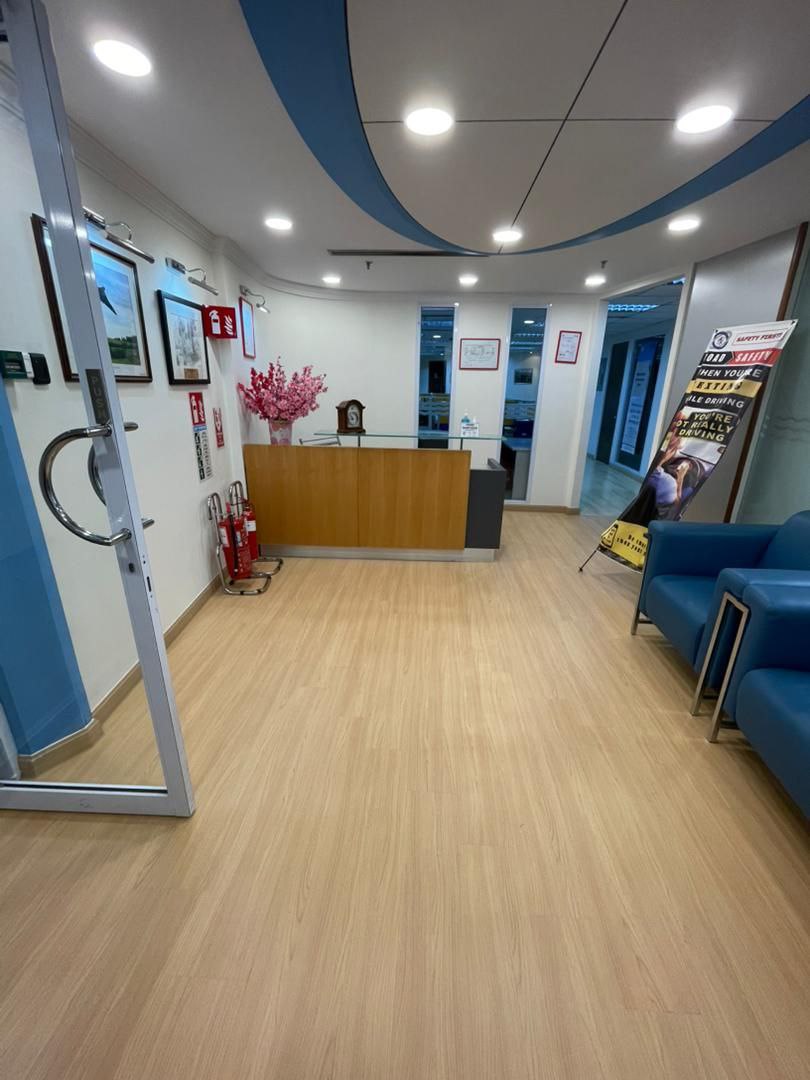
Laminate Flooring
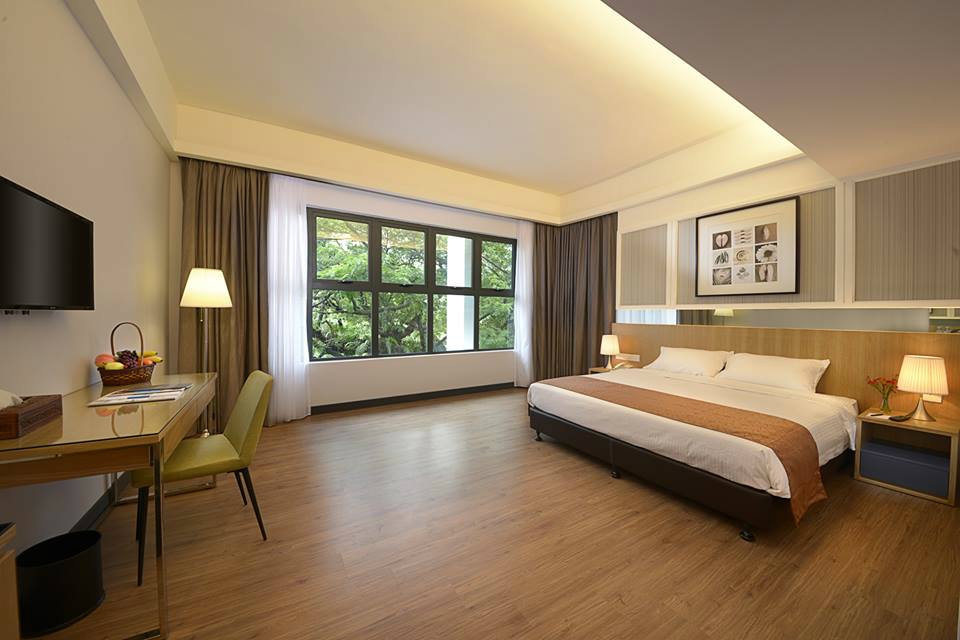
Hospitality Flooring
REAL Testimonials
Rated 5 stars on Google Maps/Business Profile from 687 lovely clients & counting!
Excellent rating
Based on 693 reviews
 Valen from Summit Flooring was very helpful and patient in helping with the selection of the right tone of wood. The workmanship is wonderful and very neat. Easy to work with.
 Deepa SreenivasanI’m very satisfied with the house flooring renovation. The workmanship is excellent, the finishing is neat, and the overall result looks beautiful. The team was professional, helpful, and did a great job throughout the process. They paid attention to the details and made my house look much better than before. Highly recommended for anyone looking to upgrade or renovate their home flooring. Great service and quality workmanship. Thank you for the excellent work! 👍 Look for Mr Chong 👍
 Lau Sin HwaHad a great experience dealing with Chee Seng from Summit World Flooring! He’s friendly, helpful, responsive, and very proactive in making sure the important details are taken care of during installation. He clearly knows his stuff and gives me the confidence to trust him to get the job done right. Doing the flooring for my first home was a big decision, and Chee Seng made the whole process smooth and stress-free. Really appreciate his excellent service and the great result, a clean, beautiful-looking home. Highly recommend him to anyone looking for reliable flooring service!
 Ba Qin LooWe are customers coming all the way from Penang. We found Mr Chong very easy to speak to and deal with. He was happy to explain everything to us in detail. He was also very prompt in responding and you can tell he really cares about the relationship. The flooring from summit world is some of the best flooring we have seen in all of Malaysia (and we have checked almost all of the shops!), we highly recommend them. If you do visit, ask for Mr Chong, he won't let you down!
 FaresHighly reliable and excellent delivery! Chee Seng and his team attended to my urgent request to fix / restore my floor and completed the work efficiently and professionally - including grinding, sanding, buffing and polishing the floor. Very thankful and impressed with the quality of the work! Definitely would recommend 👍👍👍
 Gen SHighly recommended! I’m very happy with the lamination flooring work done by Fong. He was very patient and accommodating with all my requests, and the final result was exactly what I expected. What I especially appreciate is the good after-sales service. Fong was willing to come back and attend to any small touch-ups needed, which gave me great peace of mind. Thank you, Fong, for your patience, workmanship and excellent service. Would definitely recommend Fong to anyone looking for quality flooring work! 👍
 Theresa ChowLai Shu Teng is very attentive, helpful, and easy to liaise with. She monitored the team closely from the beginning until the job was completed, making sure everything went smoothly. She’s really kind and professional, and it was a pleasure dealing with her. Highly recommended! 🥰
 NHM NHMI had LVT flooring installed in the room, and I was very satisfied because the team worked diligently and meticulously. I am deeply grateful and would certainly recommend them to others.
 정현경Really glad I went with them! And just wanted to give a special shoutout to Joshua, as he's been incredibly helpful throughout the whole process. He's always patient with all my questions and super quick to respond. I took quite a while to settle on the colour I wanted, and he even made a few trips up to bring me samples so I could compare them in person. I couldn't be there on the installation day either, but he helped keep an eye on things and kept me updated, which was really reassuring. Really appreciate the great service, and I’m very happy with how everything turned out. Thanks again, Joshua & the team!! 🥰
 Hui LingVery satisfied with the SPC flooring renovation. The workmanship was good, the installation was neat and professional, and the whole process was smooth. The flooring looks really nice and has completely improved the look of my home. Highly recommended!
 Mfzal Nabiel Shamsul ArifVerified by TrustindexTrustindex verified badge is the Universal Symbol of Trust. Only the greatest companies can get the verified badge who has a review score above 4.5, based on customer reviews over the past 12 months. Read more
Wooden/Timber Flooring Frequently Asked Questions (FAQs)
The FAQs Knowledge Base
Got questions about solid timber, engineered wood, SPC flooring, or outdoor wood decking?
Explore clear answers on installation timelines, zero-hacking tile overlays, timber restoration, etc from Malaysia’s trusted wooden/timber flooring specialists: Summit World Resources Flooring (SWHOM SDN BHD).
Summary
SPC stands for Stone Plastic Composite. It is a rigid click-lock flooring made from a mineral-and-PVC composite core, commonly designed with realistic wood or stone finishes. SPC is popular in Malaysian homes because it offers strong water resistance, termite resistance, easy maintenance and a wide variety of designs. However, SPC is not scratch-proof, so the surface still needs appropriate care.
What does SPC stand for in flooring?
SPC stands for Stone Plastic Composite.
It refers to a rigid flooring core made using a combination of mineral material, commonly limestone, and PVC. This rigid structure differentiates SPC from softer vinyl flooring.
Why is SPC flooring popular in Malaysia?
SPC flooring is popular in Malaysia because it combines practical everyday performance with relatively easy maintenance and a wide range of wood-look designs.
These are several reasons homeowners choose SPC:
- strong water resistance,
- termite resistance,
- stain resistance,
- easy cleaning,
- numerous colours and patterns,
- and suitability for different interior spaces.
Its ability to provide a timber-style appearance without the maintenance requirements of natural wood also contributes to its popularity.
Is SPC flooring waterproof?
The SPC core has very high resistance to water and is commonly marketed as waterproof flooring.
This makes SPC suitable for areas where everyday spills and humidity may occur.
However, homeowners should distinguish between the flooring material itself and the entire installed floor system. Water can still enter through perimeter gaps, joints or underneath the floor, so proper installation and site preparation remain important.
Is SPC flooring termite-resistant?
Yes. SPC flooring is highly termite-resistant because its composite core is not natural timber.
Suitable for homeowners who want a wood-look floor without using a conventional timber-based core.
Is SPC flooring stain-resistant?
SPC flooring is generally easy to clean and offers good resistance to common household stains.
Everyday spills should still be cleaned promptly, and cleaning products should be suitable for the flooring manufacturer's surface coating.
Stain resistance does not mean that every chemical or substance can be left on the flooring indefinitely without affecting the finish.
Is SPC flooring UV-resistant?
The surface layers of many SPC products are designed to provide some resistance to fading from normal indoor light exposure. However, long-term direct sunlight can still affect flooring and interior finishes, so UV resistance should not be interpreted as complete immunity to colour change.
Is SPC flooring scratch-proof?
No. SPC flooring is not scratch-proof.
This is actually the main drawback. Although SPC can handle normal household use, sharp objects, grit, furniture movement and dragging heavy items can still scratch the decorative surface.
Using furniture pads, keeping grit off the floor and lifting rather than dragging heavy furniture can help protect the finish.
Does SPC flooring come in many colours and designs?
Yes. One of SPC flooring's biggest advantages is the wide variety of available colours, wood grains, patterns and formats.
Homeowners can choose from light oak, darker timber tones, contemporary neutral finishes and different installation styles.
Where can SPC flooring be installed?
SPC can be considered for many interior spaces, including:
- living rooms,
- bedrooms,
- dining areas,
- selected kitchen areas,
- offices,
- retail premises,
- salons,
- and other residential or commercial interiors.
The suitability of a particular SPC product should still be checked against the expected traffic level, site condition and manufacturer's specifications.
What are the advantages and disadvantages of SPC flooring?
The main advantages of SPC are water resistance, termite resistance, easy maintenance, stain resistance and extensive design choices.
In short:
Advantages: practical, easy-care, water-resistant, termite-resistant and available in many designs.
Limitation: it should not be assumed to be completely scratch-proof.
Who should consider SPC flooring?
SPC is well suited to homeowners who want an easy-care, wood-look flooring option with strong water and termite resistance at a practical price point.
It can be particularly attractive for Malaysian renovation projects where design variety, maintenance, and everyday usability are important considerations.
Summary
Self-leveling is a floor-preparation process that uses a flowable compound to create a flatter and more uniform substrate before flooring is installed. It is particularly important for rigid click flooring such as SPC because significant unevenness can cause movement, hollow or rocking areas and excessive stress on the locking joints. Not every floor requires self-leveling; the existing substrate should be assessed first.
What is self-leveling flooring compound?
Self-leveling compound is a formulated material poured over an existing substrate to correct unevenness and create a smoother, flatter surface.
Despite its name, it still requires proper preparation and installation. It is a floor-preparation material rather than the finished flooring itself.
Why is floor flatness important for SPC flooring?
SPC is a rigid click-lock flooring system, so it performs best over a sufficiently flat and stable substrate.
When the floor underneath has significant high and low spots, the plank may bridge those areas instead of being fully supported. This can create movement and place additional pressure on the locking system.
What happens if SPC is installed on an uneven floor?
Possible symptoms include:
- rocking or movement underfoot,
- hollow-feeling areas,
- clicking or movement at joints,
- joint separation,
- and in severe cases damage to the locking mechanism.
It's like a seesaw, where pressure repeatedly shifts between unsupported areas.
Do I always need self-leveling before installing SPC?
No. Self-leveling is only necessary when the existing substrate requires correction.
A sufficiently flat tile, concrete or cement surface may not need a full self-leveling treatment. The condition should first be checked against the flooring system's installation requirements.
What is the difference between cement leveling and self-leveling?
They serve related but slightly different purposes.
Traditional cement levelling or screeding can correct larger height differences or rebuild the substrate, while self-leveling compound is often used to create a more precise and uniform finished surface.
In some projects, additional surface correction may still be required after the initial cement work.
Does self-leveling make flooring last longer?
It does not increase the durability of the flooring material itself, but proper floor preparation can reduce avoidable movement and stress, which can help the flooring perform as intended.
The preparation layer is not the floor, but it can have a major effect on the final result.
Summary
PE, EVA and IXPE are different types of flooring underlay installed between the subfloor and floating flooring. PE is generally the more basic and economical option, EVA offers greater density and cushioning, while IXPE is commonly selected when better moisture resistance, comfort and sound reduction are priorities. The correct underlay should always be matched to the flooring system and site conditions.
What is flooring underlay?
Flooring underlay is a layer installed between the subfloor and the finished flooring. Depending on its material and specification, it can provide cushioning, reduce impact sound, help manage minor surface irregularities and contribute to moisture protection.
Underlay is therefore part of the overall flooring system rather than simply an optional accessory.
What is the difference between PE, EVA and IXPE underlay?
The main differences are their density, cushioning, moisture resistance, sound-reduction characteristics and price.
PE foam is generally positioned as the simpler and more economical option. EVA foam has greater density and cushioning, while IXPE is a more all-round option when moisture resistance, comfort and sound reduction are important.
Is IXPE better than EVA underlay?
IXPE may be preferable when moisture resistance and overall underlay performance are higher priorities.
EVA has moderate moisture resistance and IXPE as providing stronger moisture resistance. However, the best choice still depends on the flooring product, installation method and actual condition of the property.
Does thicker underlay always mean better flooring performance?
No. A thicker underlay is not automatically better.
The underlay must be compatible with the flooring manufacturer's requirements. Excessively soft or thick underlay can affect the stability of some click-lock flooring systems.
So homeowners should compare the complete specification rather than choosing based on thickness alone.
Do I still need a moisture barrier if I use IXPE?
It depends on the site and flooring system.
An underlay with good moisture resistance does not necessarily replace a dedicated moisture barrier in every installation. A separate moisture-barrier sheet being used together with the flooring system.
A site assessment is recommended where moisture from the concrete slab or substrate could be a concern.
Summary
Flooring skirting is a finishing board installed along the bottom of a wall where the flooring ends. It conceals the perimeter expansion gap, protects the wall edge and gives the flooring installation a completed appearance. Skirting is available in different heights, materials and colours, so it can either blend into the room or become part of the interior design.
What is skirting in flooring?
Skirting is the trim installed where the floor meets the wall.
It covers the perimeter finishing gap and creates a clean transition between the flooring and wall surface.
Why is there a gap between flooring and the wall?
Many flooring systems require space around the perimeter to accommodate normal dimensional movement.
The floor should therefore not always be installed tightly against the wall. Skirting covers this required gap while allowing the floor system to be detailed neatly.
Is skirting only decorative?
No.
Skirting has several practical functions:
- concealing the perimeter gap,
- protecting the bottom section of the wall,
- covering minor finishing imperfections,
- and completing the appearance of the room.
Its design also contributes to the overall interior style.
What skirting height should I choose?
A taller skirting creates a stronger architectural presence, while a smaller profile is more understated. Ceiling height, room proportions and interior style should guide the final choice.
Is 100mm skirting better than 70mm skirting?
Neither is automatically better.
100mm skirting creates a bolder visual frame, while 70mm provides a more moderate appearance. Taller spaces can often accommodate a taller skirting without it appearing oversized.
Should skirting match the flooring or wall?
Both approaches can work.
Matching or coordinating the skirting with the flooring creates continuity. White or wall-matched skirting can blend with the architecture, while darker contrasting skirting can create a deliberate outline around the room.
Summary
Flooring planks come in different lengths and widths because plank size changes how a room looks and feels. Longer and wider boards create fewer joint lines and a cleaner, more spacious appearance, while narrower or shorter boards create more visual rhythm and can suit traditional or detailed interiors. The best plank size depends on the room, flooring type and design style, not simply which plank is biggest.
Is bigger flooring always better?
No. Bigger flooring planks are not automatically better.
Longer and wider boards can create a premium, spacious appearance, but the ideal dimensions should match the room proportions, flooring system, design concept and installation requirements.
What effect do wider flooring planks have?
Wider planks reduce the number of visible lines across the floor and allow more of the wood-grain design to be seen on each individual board.
This can create a calmer, cleaner and more natural-looking surface.
What effect do longer flooring planks have?
Longer planks create fewer end joints across the room.
Fewer joints generally produce a more continuous visual flow, which works particularly well in minimalist, contemporary and open-plan interiors.
Are 180mm and 200mm flooring planks very different visually?
Even a relatively small increase in plank width can alter the finished appearance because fewer rows are required to cover the same area.
These dimensions are examples rather than universal flooring sizes.
What flooring size is best for a minimalist interior?
For a clean minimalist concept, longer and wider planks are often effective because they reduce joint lines and create a simpler visual surface.
A more traditional or vintage concept may intentionally use narrower boards or more visible plank divisions to create additional detail and rhythm.
How should I choose the right flooring size?
Start with the desired visual effect, then consider:
- room dimensions,
- furniture layout,
- plank pattern,
- floor type,
- installation requirements,
- and the particular flooring design.
The largest available plank is not necessarily the right choice for every property.
Summary
SPC and WPL flooring mainly differ in market maturity, subfloor requirements, appearance, durability and price. SPC is more established, offers more design choices and is generally more affordable, while WPL is thicker, more flexible and positioned as having better wear resistance. For value for money, SPC may be the better choice; for higher wear resistance, WPL may be worth considering.
SPC has been available for longer, offers more colour and design choices, and is generally positioned as the more budget-friendly option. WPL is relatively newer, thicker and more flexible, and is presented as having better wear resistance, although it usually comes at a higher price.
In simple terms: choose SPC if you prioritise value for money and design variety; consider WPL if durability and wear resistance are your main priorities.
What are the main differences between SPC and WPL flooring?
Market maturity – SPC has been available for longer and is more widely recognised, while WPL is relatively new.
Subfloor requirements – SPC generally requires a flatter and more suitable subfloor, while WPL is thicker and has more flexibility.
Appearance and joint lines – SPC currently offers more colour choices and can create a more seamless overall appearance, while WPL may have more visible plank lines.
Durability and price – WPL is positioned as more wear-resistant and longer-lasting, while SPC offers a more affordable price point.
Which is more established: SPC or WPL flooring?
SPC is currently the more established flooring option.
SPC has been in the market for approximately 10 years and has become particularly popular over the past five to six years. As a result, consumer awareness and acceptance of SPC flooring are relatively high.
WPL, on the other hand, is a newer flooring option that has been available for approximately two to three years, so it is still less familiar to many consumers.
Does SPC flooring require a flatter subfloor than WPL?
Yes. SPC generally has higher requirements when it comes to the condition and flatness of the existing subfloor.
Because SPC flooring is relatively thin and rigid, uneven areas underneath the flooring can affect its installation and long-term performance.
WPL is comparatively thicker and has a certain degree of flexibility. This makes it more tolerant of some subfloor conditions compared with SPC.
However, the existing floor should still be properly inspected and prepared before installing either type of flooring.
Why is subfloor preparation important for SPC flooring?
A flat and stable subfloor is important because SPC is a relatively rigid flooring material. Significant unevenness underneath the flooring may affect how the planks connect, feel underfoot or perform over time.
Before SPC installation, the existing floor should therefore be checked for flatness, stability and other surface issues. Additional floor preparation or levelling may be required depending on the condition of the site.
Is WPL thicker than SPC flooring?
WPL is thicker than SPC and has more flexibility or resilience in its structure.
This difference is one reason WPL is presented as being more tolerant of certain existing floor conditions.
Actual thickness, however, can vary between manufacturers and individual flooring collections, so homeowners should always compare the specifications of the products they are considering.
Does SPC or WPL have more colours and designs?
SPC currently offers a wider selection of colours and designs.
Because SPC has been established in the flooring market for a longer period, there is generally a larger variety of wood tones, patterns and finishes available.
WPL is a newer flooring category, so its current range of colours and designs may be more limited in comparison.
Do SPC and WPL look different after installation?
Yes. One noticeable difference is the appearance of the joints between individual flooring planks.
SPC can create a more integrated or seamless-looking floor, where the individual plank connections are less visually prominent.
With WPL, the lines between individual planks may appear more noticeable after installation.
Neither appearance is necessarily better. Some homeowners prefer clearly defined plank lines because they create a stronger wood-plank effect, while others prefer a smoother and more continuous overall appearance.
Which is more wear-resistant: SPC or WPL?
WPL is positioned as having better wear resistance and potentially a longer service life than SPC.
This can make WPL worth considering for homeowners who place a higher priority on long-term durability.
However, actual flooring durability can also depend on the specific product specification, surface construction, usage conditions, installation quality and maintenance.
Why is WPL more expensive than SPC?
WPL is generally positioned at a higher price because of its stronger wear-resistance and durability characteristics.
For this reason, homeowners should not compare flooring options based only on the initial price per square foot. Expected lifespan, usage requirements, existing floor conditions and long-term performance should also be considered.
Which offers better value for money: SPC or WPL?
If your priorities are affordability, established technology and a wider variety of colours and designs, SPC generally offers better value for money.
SPC has been widely used for several years and provides homeowners with many design options across different budgets.
WPL may cost more initially, but it may be worth considering when stronger wear resistance and durability are more important than the lowest upfront cost.
Which should I choose: SPC or WPL flooring?
The better choice depends on your priorities.
Choose SPC if you want good value for money, more colour and design options, and a well-established flooring solution.
Consider WPL if wear resistance and long-term durability are higher priorities.
Consider WPL if your existing subfloor conditions require a flooring product with greater thickness and flexibility.
Consider SPC if you prefer a more integrated appearance with less prominent plank lines.
The final choice should take into account your budget, existing subfloor condition, design preference and how the space will be used.
Is SPC or WPL better for Malaysian homes?
Neither option is automatically better for every Malaysian home.
SPC may be more suitable for homeowners looking for an established, cost-effective flooring solution with plenty of design choices. WPL may be more attractive to homeowners who are willing to spend more for greater wear resistance and durability.
Before choosing either flooring system, it is best to assess the existing floor condition, intended usage of the space, budget and preferred visual appearance.
Summary
Choose wood grain according to the visual mood you want to create. Straight-grain designs look calmer, cleaner and more consistent, while cathedral or “mountain” grain creates stronger natural variation and becomes more visually prominent. For minimalist or natural wood-style interiors, using straighter grain on large surfaces can help prevent the room from looking too busy.
What is straight-grain wood flooring?
Straight grain has relatively linear wood patterns running along the length of the plank.
It creates a cleaner and more uniform visual effect, which makes it easy to coordinate with cabinetry and furniture.
What is cathedral or mountain-grain wood?
Cathedral grain, sometimes described as mountain grain, has larger curved or V-shaped patterns in the wood design.
It creates more character and visual movement than straight grain.
Which wood grain is better for a minimalist interior?
Straight grain is generally easier to use in minimalist interiors because it produces a quieter visual background.
This allows furniture, lighting and architectural details to remain the focal points of the room.
Can too much wood grain make a room look busy?
Yes.
If the floor, cabinets, wardrobes and furniture all contain strong grain patterns, the eye may not have a clear place to focus.
A balanced interior normally combines visually active surfaces with quieter ones.
Should I avoid cathedral grain completely?
No.
Cathedral grain can add beautiful natural character. The video's recommendation is mainly to control where and how much of it is used, especially across large surfaces.
Summary
Glue-down vinyl is bonded directly to the prepared subfloor using adhesive, while Vinyl Click uses interlocking joints to create a floating floor. Glue-down vinyl is generally thin and cost-effective, while Vinyl Click avoids full-surface adhesive and is easier to remove or replace. Both require good floor preparation, and the best choice depends on budget, floor height, design preference and installation conditions.
What is glue-down vinyl flooring?
Glue-down vinyl is installed by bonding individual vinyl planks or tiles directly to the prepared substrate with flooring adhesive.
It has been widely used for many years, particularly where a thin finished floor and economical installation are priorities.
What is Vinyl Click flooring?
Vinyl Click uses a mechanical locking system that connects neighbouring planks without bonding the entire floor to the substrate.
It is installed as a floating floor and normally does not require full-surface adhesive.
Is glue-down vinyl cheaper than Vinyl Click?
Glue-down vinyl is often more economical at the product level, which is one of the benefits.
However, total project cost also depends on floor preparation, adhesive, labour and the condition of the existing substrate.
Can glue-down vinyl lift at the edges?
It can if the adhesive bond, substrate preparation or environmental conditions are unsuitable.
Vinyl Click avoids full-surface adhesive, so it does not experience adhesive failure in the same way. However, click flooring has its own requirements for flatness, expansion allowance and locking-joint stability.
Does vinyl flooring shrink?
Vinyl can experience dimensional movement under certain temperature and installation conditions.
This is why product quality, acclimatisation where required, substrate preparation and correct installation remain important regardless of the system chosen.
Which should I choose: Vinyl Glue or Vinyl Click?
Choose based on the project.
Glue-down vinyl can suit projects prioritising low build-up and budget.
Vinyl Click may be preferable if you want a floating installation, no full-surface adhesive and broader design choices within the available range.
Summary
WPL is generally positioned as having stronger surface wear and scratch resistance than standard SPC flooring, while SPC still provides adequate durability for normal residential and many light-commercial applications. WPL may be worth considering for homes with heavier wear, pets or frequent furniture movement, but actual performance should be compared using the specification of the individual product.
Is WPL more scratch-resistant than SPC?
WPL showed stronger resistance to visible surface marking than SPC.
However, different collections can use different surface coatings and wear specifications.
Does that mean SPC scratches easily?
No.
For normal household use, SPC can provide appropriate wear resistance when properly maintained.
When should I consider WPL instead of SPC?
WPL may be worth considering when the floor is likely to experience:
- heavier daily traffic,
- pets,
- frequent furniture movement,
- stronger abrasion,
- or a higher priority on surface wear resistance.
Is scratch resistance the same as impact resistance?
No.
Scratch resistance, wear resistance, indentation resistance and impact resistance are different properties.
A floor that resists surface scratches well can still be damaged by sufficiently heavy impacts or concentrated loads.
Can furniture scratch SPC flooring?
Yes, particularly when furniture is dragged rather than lifted.
Furniture pads, clean floors and proper handling can substantially reduce avoidable scratches on both SPC and WPL.
Summary
Solid wood flooring installation involves more than simply laying timber boards. A professional process typically includes site preparation, selecting the installation base, installing the timber, allowing it to stabilise, sanding and varnishing, touch-up work and final finishing. Because real timber naturally reacts to moisture and temperature, site conditions and installation timing are especially important.
Step 1: What happens during site preparation?
The team first checks whether the site is suitable for timber flooring.
This may include checking the substrate condition, flatness, moisture conditions and required finished level before installation begins.
Step 2: How is the installation method selected?
The correct method depends on the building and floor construction.
The chosen system needs to provide suitable support for the timber floor.
Step 3: How is solid timber flooring installed?
After preparation, the timber boards are laid and secured according to the selected installation method.
Board direction, layout, joints, perimeter allowance and finishing details are planned during this stage.
Step 4: Why does solid wood need a stabilisation period?
Real timber naturally responds to changes in moisture and environmental conditions.
There's a seasoning/stabilisation stage before final sanding and finishing.
The required time varies depending on the timber species, site and installation method.
Step 5: Why is solid wood flooring ground and varnished?
Grinding or sanding helps create a smooth and even finished surface after installation.
A protective varnish or coating is then applied to enhance appearance and protect the timber surface.
Step 6: What does touch-up involve?
Touch-up work addresses smaller finishing details such as minor gaps, imperfections or areas requiring additional preparation before the floor is completed.
Step 7: What happens during final finishing?
Final finishing can include:
- the selected surface sheen,
- edge details,
- skirting,
- final coating work,
- cleaning,
- and sufficient drying time.
I.e., matte, semi-matte and glossy finish options.
Summary
Stair flooring can be finished in several ways, including full-wrap, step-only, rounded nosing, square nosing and profile-based edge finishing. Profiles can either match the flooring for a seamless look or contrast with it to create a stronger architectural outline. The best staircase detail depends on the existing stair structure, flooring material and desired interior style.
What is stair nosing?
Stair nosing is the finished front edge of a stair tread.
It helps protect the exposed edge and gives each step a complete, intentional appearance.
What is rounded stair nosing?
Rounded or bullnose-style nosing creates a softer curved edge at the front of the tread.
It is often selected when a smoother and more traditional timber-style finish is desired.
What is square stair nosing?
Square nosing creates a more defined straight-edged appearance.
This can complement contemporary and minimalist interiors where sharper architectural lines are preferred.
Can an L-profile be used on stairs?
Yes.
An L-profile can be used to protect and finish selected exposed stair edges where a fabricated flooring nosing is not the preferred solution.
Should stair profiles match the flooring?
For a subtle result, a similar-colour profile helps the edge blend into the flooring.
Alternatively, black or another contrasting colour can intentionally outline each tread and create a stronger graphic effect.
Can I use a contrasting colour on stair edges?
Yes.
Stair edges with a different profile colour creates a clearly defined contrast.
This can work particularly well in modern interiors when the contrast is intentional and repeated consistently.
How do I choose the right staircase flooring detail?
The decision should consider:
the existing staircase shape, tread and riser condition, flooring material, desired nosing shape, skirting requirements, colour scheme and whether the staircase will be full-wrap or step-only.
Complex turning stairs or unusual dimensions may require customised site measurements and finishing.
Summary
WPL refers to Waterproof Laminate Flooring in Summit World’s flooring range. It is a high-density laminate/CDF-based flooring designed to combine the natural wood appearance and wear resistance of laminate with improved resistance to moisture. WPL is particularly suitable for homeowners who prioritise scratch resistance, durability, pet-friendly flooring and higher-traffic applications. Like other floating floors, however, it needs correct installation allowances for expansion and contraction.
What does WPL mean in flooring?
At Summit World Resources Flooring, WPL refers to Waterproof Laminate Flooring.
It is a laminate-based flooring system engineered to provide greater resistance to water and moisture than conventional laminate flooring while retaining the hard, wear-resistant surface associated with laminate.
What is WPL flooring made from?
Summit World's current waterproof laminate range uses Compact Density Fibreboard, or CDF, as a core material in relevant products.
CDF is produced by compressing wood fibres and binding materials under high pressure to create a dense and durable board.
This means WPL should not be confused with SPC: SPC uses a mineral-PVC composite core, while WPL is a laminate/CDF-based flooring system.
Is WPL flooring waterproof?
WPL is designed as a waterproof or highly water-resistant laminate flooring system, depending on the specific product specification.
Improved water resistance as one of WPL's main advantages compared with conventional laminate flooring.
However, as with any installed floor, water resistance also depends on the joints, perimeter detailing, installation quality and condition of the substrate.
Is WPL more scratch-resistant than SPC?
This is one of the main reasons WPL is recommended for homes with pets and areas that experience heavier foot traffic.
Actual performance still depends on the wear rating and surface specification of the individual product, so homeowners should compare actual specifications rather than assuming every WPL product will outperform every SPC product.
Is WPL flooring suitable for homes with pets?
Yes. WPL can be a good option for homes with pets because its hard laminate surface is designed for strong wear and scratch resistance.
Pet claws can still mark any flooring under certain conditions, so keeping nails trimmed and removing sand or grit from the floor remains advisable.
Is WPL suitable for high-traffic areas?
Yes. Wear resistance is one of the key reasons, it is recommended to pick WPL for higher-traffic environments.
Examples mentioned or shown include:
- shops,
- offices,
- residential living spaces,
- and homes with pets.
For commercial applications, the actual product's wear classification and warranty should still be checked before selection.
Is WPL termite-resistant?
WPL is a termite-resistant flooring.
Its dense engineered construction and protective flooring system make it very different from untreated natural timber.
However, termite resistance of the flooring itself does not mean other timber elements within a building cannot be affected by termites.
Does WPL flooring come in different colours?
Yes. There's a wide range of wood-look colour choices as one of WPL's advantages.
WPL is designed to reproduce the visual appearance of timber while offering the practical characteristics of engineered laminate flooring.
Colour selection can therefore be matched to minimalist, contemporary or more traditional interior styles.
Does WPL flooring expand and contract?
Yes. WPL can experience dimensional movement when temperature and environmental conditions change.
This limitation is specifically highlighted in both versions of the video.
Because WPL is a floating flooring system, sufficient perimeter allowance and appropriate installation detailing are important so that the flooring can accommodate normal movement.
Why does WPL flooring sometimes make creaking sounds?
Flooring movement can result in creaking or clicking sounds underfoot.
This can happen when expansion or contraction is restricted or when other installation conditions allow the floor to move excessively.
Possible contributing factors can include perimeter clearance, subfloor flatness and installation detailing, so persistent noise should be assessed rather than simply assuming the flooring material itself is defective.
What are the main advantages of WPL flooring?
WPL's main advantages are:
- strong wear and scratch resistance,
- good water resistance,
- termite resistance,
- multiple wood-look colour choices,
- suitability for pets,
- and suitability for higher-traffic areas.
Its main installation consideration is accommodating normal expansion and contraction.
How is WPL different from traditional laminate flooring?
WPL is designed to provide improved water resistance compared with conventional laminate flooring.
It retains the hard, durable surface and wood-look appearance associated with laminate while using newer core and joint technologies intended to improve moisture performance.
Who should consider WPL flooring?
WPL is worth considering if your priorities are wear resistance, scratch resistance, a natural timber appearance and better moisture performance than conventional laminate.
It may be particularly suitable for:
- families with pets,
- busy households,
- offices,
- retail spaces,
- and other interiors with regular foot traffic.
Correct product selection and installation remain important because WPL, like other floating floors, still needs allowance for normal dimensional movement.
Summary
Grinding and varnishing is a restoration process for existing solid timber or parquet flooring. The worn surface is mechanically sanded or ground to remove scratches, old coatings and surface imperfections before a new protective finish is applied. When the timber is still structurally sound, refinishing can restore its appearance and extend its usable life.
What is floor grinding and varnishing?
Floor grinding and varnishing is the process of sanding down the existing surface of a timber floor and applying a new protective finish.
It is commonly used to restore solid timber and parquet floors that have become scratched, dull, worn or uneven over time.
Can an old timber floor be restored instead of replaced?
Often, yes.
If the timber remains structurally sound and has sufficient thickness, grinding and refinishing can restore an existing wooden floor without replacing the entire installation.
The condition of the boards should be inspected first because rot, major movement or severe structural damage may require additional repairs.
Can solid timber flooring be sanded more than once?
Yes, many solid timber floors can be refinished multiple times because they contain real timber throughout their construction.
However, there is no universal number of times a floor can be sanded. It depends on the original board thickness, how aggressively it was previously sanded and how much usable timber remains.
Does grinding remove scratches from timber flooring?
Grinding can remove or reduce many surface scratches, worn varnish and minor uneven areas.
Deep damage, severe cracks, loose boards or structural problems may require separate repairs before refinishing.
Is timber floor grinding a messy process?
It can be more involved than installing some modern floating flooring systems.
Grinding and varnishing involves several stages, takes time and can produce dust, which is why appropriate machinery, preparation and experienced workmanship are important.
Is grinding and varnishing worth doing?
For a good-quality timber floor that is still structurally sound, it can be.
One of the major advantages of real timber is that its surface can often be renewed rather than discarded. Refinishing can restore the natural grain and character while extending the life of the existing floor.
Summary
A flooring profile is a finishing or transition strip used where flooring ends, changes level, meets another material or needs an exposed edge protected. Common options include L-profiles, stair nosing and T-profiles. The correct profile depends on the location, height difference, traffic level, flooring type and desired appearance.
What is a flooring profile?
A flooring profile is a trim installed at an edge, joint or transition point in a flooring system.
It creates a finished appearance while helping protect exposed edges and vulnerable joints from everyday wear.
Why are flooring profiles important?
Transitions and exposed flooring edges receive more stress than the centre of a plank.
Using an appropriate profile can protect these areas, create a cleaner finish and reduce unnecessary damage around flooring junctions.
What is an L-profile used for?
An L-profile is commonly used to finish an exposed flooring edge or termination point.
Larger versions can be used where a wider or more visible edge needs to be covered, including selected raised areas and architectural transitions.
What is stair nosing?
Stair nosing is a profile designed to finish and protect the front edge of a stair tread.
What is a T-profile used for?
A T-profile is commonly used to bridge the junction between two flooring areas at similar levels.
It is particularly useful at doorways, between rooms or where two flooring colours or materials meet.
Is aluminium or PVC flooring profile better?
The appropriate material depends on the application.
Choose aluminium for higher-traffic situations because of its greater wear resistance. PVC profiles may be suitable in other lower-demand or design-specific applications.
Should flooring profiles match the flooring colour?
For the most integrated finish, choosing a colour close to the flooring is usually effective.
However, metallic finishes such as silver, black or rose-gold tones can also be selected intentionally as an interior design accent.
Can the wrong flooring profile cause problems?
An unsuitable profile can leave an edge poorly protected, create an awkward transition or interfere with the flooring's required movement.
That is why profile selection should consider the flooring type, installation geometry, traffic level and expansion requirements, rather than choosing based on colour alone.
Summary
Floor edge finishing is the method used to complete the exposed edges, perimeter gaps and transition points of a flooring installation. Common methods include skirting, flooring profiles and silicone detailing. The correct method depends on where the flooring ends, for example at a wall, cabinet, partition, doorway, stair or another flooring material.
What does floor edge finishing mean?
Floor edge finishing refers to how the perimeter or exposed end of a flooring installation is completed.
It hides unfinished gaps, creates a cleaner visual transition and can help protect vulnerable flooring edges.
What are the common ways to finish flooring edges?
- Skirting around walls,
- Profiles or transition strips at exposed edges and junctions,
- Silicone detailing in suitable smaller finishing areas.
The correct method depends on the floor type and architectural detail.
When is silicone used for flooring edge finishing?
Silicone can provide a simple and discreet finish in selected locations, particularly where a bulky trim is undesirable.
It is a quick and convenient finishing method. However, it should only be used where compatible with the flooring system and its required movement or expansion allowance.
What is an L-profile used for?
An L-profile creates a clean, defined finish around an exposed flooring edge.
It produces more of a “boxed-up” appearance. Selecting a colour close to the flooring can make the trim appear more integrated.
Should the flooring profile match the floor colour?
Usually, a closely matched profile creates the most seamless result.
Alternatively, a deliberately contrasting profile can be used as a design feature. What should be avoided is a colour difference that appears accidental rather than intentional.
Is one edge-finishing method suitable for the whole house?
No. Different locations may require different finishing solutions.
A wall perimeter, built-in cabinet, partition, doorway, staircase and transition between two materials can each require a different detail.
Summary
Monotone SPC uses a more consistent colour tone across the floor, creating a clean and uniform appearance. Duotone SPC combines intentionally lighter and darker plank tones to imitate the natural colour variation found in real timber. Monotone often suits minimalist interiors, while duotone is ideal for homeowners who want a more natural and expressive wood-floor appearance.
What is monotone SPC flooring?
Monotone SPC uses planks with relatively consistent colour and tonal variation.
The result is a calmer and more uniform floor with fewer strong colour contrasts between individual boards.
This makes monotone designs particularly easy to coordinate with minimalist and contemporary interiors.
What is duotone SPC flooring?
Duotone SPC intentionally combines different light and dark variations of the same flooring design.
The purpose is to reproduce some of the tonal variation naturally found in real timber, where individual boards are rarely identical.
Which looks more like real wood: monotone or duotone SPC?
Duotone generally creates the stronger natural-timber effect because genuine wood normally contains variation between individual boards.
If the objective is to reproduce the character and visual movement of solid wood, you may consider duotone.
Is monotone SPC better for minimalist homes?
It can be.
Monotone provides a cleaner, calmer and more consistent visual surface, making it easier to coordinate with simple furniture, neutral colours and minimalist interior concepts.
Does duotone SPC look too busy?
That depends on the interior.
Duotone creates more visible colour variation, so the floor naturally becomes a stronger visual element. In an already busy interior, some homeowners may prefer monotone. In a simpler room, duotone can introduce warmth and natural character.
Is duotone SPC more expensive?
Producing more complex duotone decorative effects can involve higher printing costs.
However, retail pricing ultimately depends on the individual flooring collection, specification, manufacturer and wear layer, so duotone should not automatically be assumed to cost more in every range.
Summary
Full-wrap stair flooring covers both the tread and riser, creating a continuous wood-look staircase. Step-only flooring mainly covers the horizontal tread while the riser remains painted, tiled or finished separately. Full-wrap gives a more complete timber appearance, while step-only creates a lighter, cleaner contrast and normally uses less flooring material.
What is full-wrap staircase flooring?
Full-wrap means covering both the horizontal tread and vertical riser of the staircase with flooring material.
This creates a continuous appearance where most or all visible parts of the staircase share the same colour and wood design.
What is step-only or half-wrap staircase flooring?
Step-only flooring covers mainly the part of the stair that you step on, the tread, while leaving the vertical riser separately finished.
For example, the tread may be wood-look flooring while the riser remains white, painted or tiled.
Which looks more modern: full-wrap or step-only stairs?
Both can look modern, but they create different effects.
Step-only stairs often appear lighter and more minimalist because the contrasting risers break up the amount of wood visually. Full-wrap stairs create a stronger and more continuous timber feature.
Is full-wrap staircase flooring more expensive?
Generally, full-wrap requires more material, cutting and installation work because both the tread and riser need to be finished.
Actual cost also depends on staircase shape, nosing detail, existing surface condition and the flooring selected.
Can existing tiled stairs be covered with flooring?
Often, yes, provided the staircase is properly assessed and prepared.
Existing tiles, uneven risers, turning steps and exposed edges may require additional preparation or customised profiles before the new flooring can be installed neatly.
Summary
The best flooring thickness depends on the flooring type, locking system, subfloor condition and required finished floor height. Thicker flooring is not automatically more comfortable or higher quality. A 5mm SPC floor and an 8mm laminate floor, for example, have different constructions and should not be compared based on thickness alone.
Is thicker flooring always better?
No. Flooring thickness alone does not determine quality.
Material composition, core density, locking system, wear layer, substrate condition and installation quality can all be more important.
Does thicker flooring feel more comfortable?
Not necessarily.
Underfoot comfort depends heavily on the type of flooring and its construction, rather than simply its total thickness.
A thicker rigid product may still feel harder than a thinner, more resilient flooring material.
Does flooring thickness affect the click-lock system?
It can.
Within the same flooring range, core thickness and locking geometry may affect the strength and engagement of the joints. However, a thicker floor from one category should not automatically be assumed to have a stronger lock than a thinner floor from another category.
Why can't I simply compare 5mm SPC with 8mm laminate?
Because SPC and laminate use different core materials and constructions.
A thickness number only tells you one part of the specification. The flooring category, core strength, surface layer and intended use must also be compared.
Why does finished floor height matter?
Floor thickness can affect:
- door clearance,
- transitions between rooms,
- built-in cabinetry,
- stair or balcony thresholds,
- and the level difference between existing surfaces.
The right flooring therefore needs to work with the property's actual dimensions.
Summary
SPC and vinyl flooring mainly differ in rigidity, underfoot feel and installation construction. SPC has a rigid mineral-PVC core and feels firmer underfoot, while traditional vinyl/LVT is softer and more flexible. Both require suitable floor preparation, but thin vinyl can reveal substrate imperfections easily, while unevenness beneath SPC can place stress on its click-lock joints.
Is SPC harder than vinyl flooring?
Yes. SPC has a rigid composite core, while traditional vinyl/LVT is much more flexible.
This gives SPC a firmer, more solid feel and vinyl a softer, more resilient feel.
Which feels softer underfoot: SPC or vinyl?
Vinyl generally feels softer and more flexible underfoot.
SPC feels more rigid because of its stone-plastic composite core.
Which feels better is subjective and depends on whether you prefer firmness or cushioning.
Which requires a flatter subfloor?
Both require proper floor preparation, but for different reasons.
Thin vinyl can closely follow imperfections in the substrate, while SPC needs sufficient support so that its rigid planks and locking joints are not repeatedly flexed over high and low spots.
Is SPC better for homes?
SPC is often more popular for residential use because of its more solid underfoot feel.
However, both SPC and vinyl can be used in homes when the product specification and installation system suit the space.
Is vinyl flooring better for commercial spaces?
Vinyl has a long history in commercial environments because it can offer comfortable underfoot performance, easy maintenance and suitable wear specifications.
However, commercial suitability should always be based on the actual product rating and expected traffic, not simply whether a product is called SPC or vinyl.
Which should I choose: SPC or vinyl?
Choose SPC if you prefer a firmer rigid floor and click-lock construction.
Consider vinyl if softness, flexibility, low floor build-up or specific commercial requirements are higher priorities.
Summary
For floating flooring such as SPC or click-lock flooring, fixed cabinets are generally installed first and the flooring is then fitted around them. This prevents permanent cabinetry from trapping the floating floor, makes future flooring replacement easier and allows the finished floor height and cabinet-door clearance to be planned correctly. Glue-down flooring and freestanding furniture may require a different sequence.
Should cabinets be installed before SPC flooring?
For fixed built-in cabinets, generally yes.
Floating SPC needs space to move naturally, so placing permanent cabinetry directly on top of it can restrict the floor.
Why shouldn't floating flooring run under fixed cabinets?
A floating floor is designed to expand and contract as one connected surface.
Heavy fixed cabinets can pin sections of the floor in place, potentially affecting its movement.
It also makes future replacement more difficult because flooring becomes trapped underneath the cabinet.
Does installing cabinets first make flooring easier to replace?
Yes.
If the flooring finishes neatly around the cabinetry, individual areas can usually be removed or replaced without dismantling the entire built-in unit.
Why is cabinet-door clearance important?
New flooring raises the finished floor level.
If a cabinet, wardrobe or door has been measured with almost no clearance, adding flooring and underlay can prevent the door from opening properly.
The final floor thickness should therefore be confirmed before cabinetry dimensions are finalised.
Does the same rule apply to glue-down vinyl?
Not always.
Glue-down floors do not move as one floating surface, so the installation sequence can be different.
The flooring contractor and cabinet installer should coordinate the correct sequence for the specific system.
Summary
Solid wood flooring is not scratch-proof. Everyday surface scratch resistance depends heavily on the protective coating and finishing system applied over the timber. The hardness of the wood itself also matters, particularly for dents and deeper damage, but a well-applied finish is a major factor in protecting the visible surface from normal wear.
Does solid wood flooring scratch easily?
It can be scratched by sharp objects, sand, furniture movement or heavy dragging.
No genuine timber floor should be treated as completely scratch-proof.
Does the wood species determine scratch resistance?
Not by itself.
For light surface scratches, the protective finish or varnish plays a major role because that is the layer receiving most everyday contact.
Wood density and hardness become more relevant when discussing dents, gouges and indentation.
Does varnish make timber flooring more scratch-resistant?
Yes.
A suitable flooring finish forms a protective layer over the timber and helps reduce direct wear on the wood surface.
The actual performance depends on the coating system, number of coats, application process and curing.
Can dragging furniture scratch solid timber?
Yes.
Dragging furniture can damage both the protective finish and, under sufficient pressure, the timber beneath it.
Furniture pads and lifting heavy items instead of dragging them are strongly recommended.
Can scratched solid wood flooring be repaired?
One major advantage of genuine solid wood flooring is that many surface problems can eventually be sanded and refinished, provided sufficient timber thickness remains.
This gives real timber a restoration advantage that many decorative flooring surfaces do not offer.
Summary
No. Existing tile skirting does not always have to be removed before installing SPC flooring.
Depending on the existing skirting, site condition and desired appearance, there are several ways to finish the new SPC floor. The SPC can be finished against the existing tile skirting with a suitable flexible sealant, an L-shaped finishing profile can be used, or new PVC skirting can sometimes be installed over the existing tile skirting.
However, if the priority is achieving the cleanest and most integrated finished appearance, removing the existing tile skirting and installing new skirting after the SPC flooring is generally the preferred solution.
The correct method should also maintain the perimeter allowance required by the particular SPC flooring system.
Must tile skirting be hacked before installing SPC flooring?
No.
Existing tile skirting does not necessarily have to be hacked or removed when SPC flooring is installed.
Several finishing methods can allow the existing tile skirting to remain in place. The best option depends on:
- the condition and thickness of the existing skirting,
- the required SPC expansion allowance,
- the desired finished appearance,
- the new flooring level,
- and whether the homeowner wants to minimise hacking work.
Keeping the existing skirting can reduce renovation work, but the final appearance should also be considered.
Can SPC flooring be installed next to existing tile skirting?
Yes.
One option is to install the SPC flooring up to the required perimeter position next to the existing tile skirting and complete the visible edge using an appropriate flexible finishing sealant such as silicone.
This can provide a relatively simple and neat solution without removing the existing tile skirting.
However, SPC is normally installed as a floating flooring system, so the finishing detail should not eliminate the perimeter movement allowance required by the flooring manufacturer's installation specifications.
Can silicone be used between SPC flooring and tile skirting?
A suitable flexible sealant can be used as part of the finishing detail between SPC flooring and existing tile skirting in appropriate installations.
Its purpose is primarily to create a cleaner-looking edge where the new flooring meets the existing skirting.
The sealant should remain flexible, and the flooring installation must still accommodate the movement or expansion allowance required by the SPC system.
The exact detailing should therefore be determined according to the flooring product and site condition rather than simply sealing the flooring tightly against the wall.
Can an L-shaped profile be used with existing tile skirting?
Yes.
An L-shaped finishing profile or trim can be used to cover the exposed edge where the SPC flooring meets the existing tile skirting.
This method avoids removing the tile skirting and can provide a defined finishing edge.
However, the profile remains visible after installation. For homeowners who prefer a minimalist or seamless appearance, this method may be less visually attractive than a properly finished skirting solution.
Can PVC skirting be installed over existing tile skirting?
In some situations, yes.
New PVC skirting can be installed over or in front of existing tile skirting, allowing the original tile skirting to remain in place.
This can be useful when the homeowner wants to minimise hacking work.
The main disadvantage is thickness. Because the new skirting is being added over an existing layer, the finished skirting can project further from the wall and appear bulkier than normal.
Will covering existing tile skirting make the skirting thicker?
Yes.
Installing another layer of PVC or other skirting over existing tile skirting increases the overall projection from the wall.
Depending on the thickness of both materials, this can make the skirting look noticeably heavier or bulkier.
The effect is particularly noticeable around:
- door frames,
- corners,
- built-in cabinetry,
- columns,
- and other areas where the skirting terminates.
For this reason, the finished appearance should be considered before deciding to overlay existing tile skirting.
What is the best-looking option when installing SPC over an existing tiled floor?
For the cleanest overall appearance, removing the existing tile skirting and installing new skirting after the SPC flooring is generally the preferred method.
Removing the old tile skirting allows the new flooring and skirting to be detailed as one complete flooring system rather than adapting the new floor around an existing finish.
It can create:
- a cleaner floor-to-wall transition,
- a more consistent skirting thickness,
- neater corners and termination points,
- and a more intentional finished appearance.
This method involves more renovation work than retaining the existing tile skirting, so the condition of the wall and the project requirements should be assessed before proceeding.
Is it better to remove tile skirting or keep it when installing SPC?
Neither method is automatically correct for every property.
Keeping the existing tile skirting may be preferable when reducing hacking, dust and renovation work is a priority.
Removing and replacing the existing tile skirting may be preferable when achieving the cleanest and most integrated finished appearance is the priority.
In simple terms:
For minimum renovation work: retain the existing tile skirting and choose an appropriate finishing detail.
For the best overall appearance: remove the existing tile skirting and install new skirting together with the SPC flooring.
A site assessment can determine which approach is more suitable for the property.
Can SPC flooring be installed over existing tiles without removing the tile skirting?
Potentially, yes.
SPC flooring can often be installed over suitable existing tiled flooring without removing the tiles themselves, provided the substrate is sufficiently flat, stable and suitable for the selected flooring system.
The existing tile skirting can also potentially remain.
However, the flooring surface and the skirting are two separate considerations. The installer should assess:
- floor flatness,
- existing tile stability,
- finished floor height,
- door clearance,
- perimeter expansion requirements,
- and the preferred skirting detail.
This allows the new SPC flooring to be installed without unnecessary hacking while still producing an appropriate finished result.
Timber or Wooden Flooring Insights & Advice
Expert Flooring Guides & Tips
Discover insider advice, material comparisons, and expert tips from Malaysia’s leading timber and SPC flooring specialists to help you make informed decisions for your space.
5 Ultimate Tuai Timur Flooring Tips for a Safe MultiGen Home
Key collection season brings a wonderful new chapter for families moving into Tuai Timur in Setia Alam. Developed by...
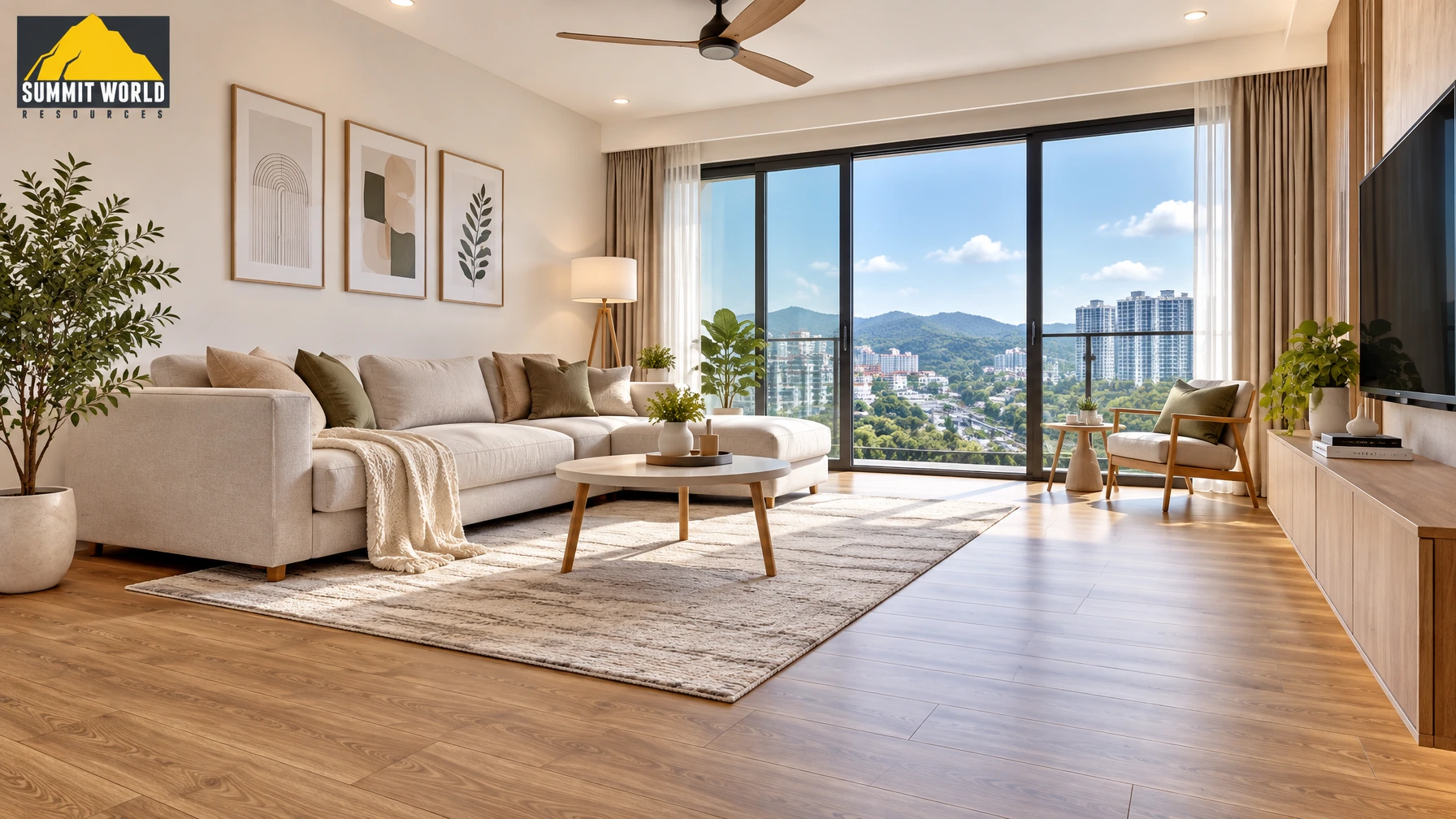
5 Ultimate 168 Park Selayang Stunning Home Renovation Ideas
Key collection marks an exciting milestone for property owners and investors at 168 Park Selayang. Situated strategically along the...
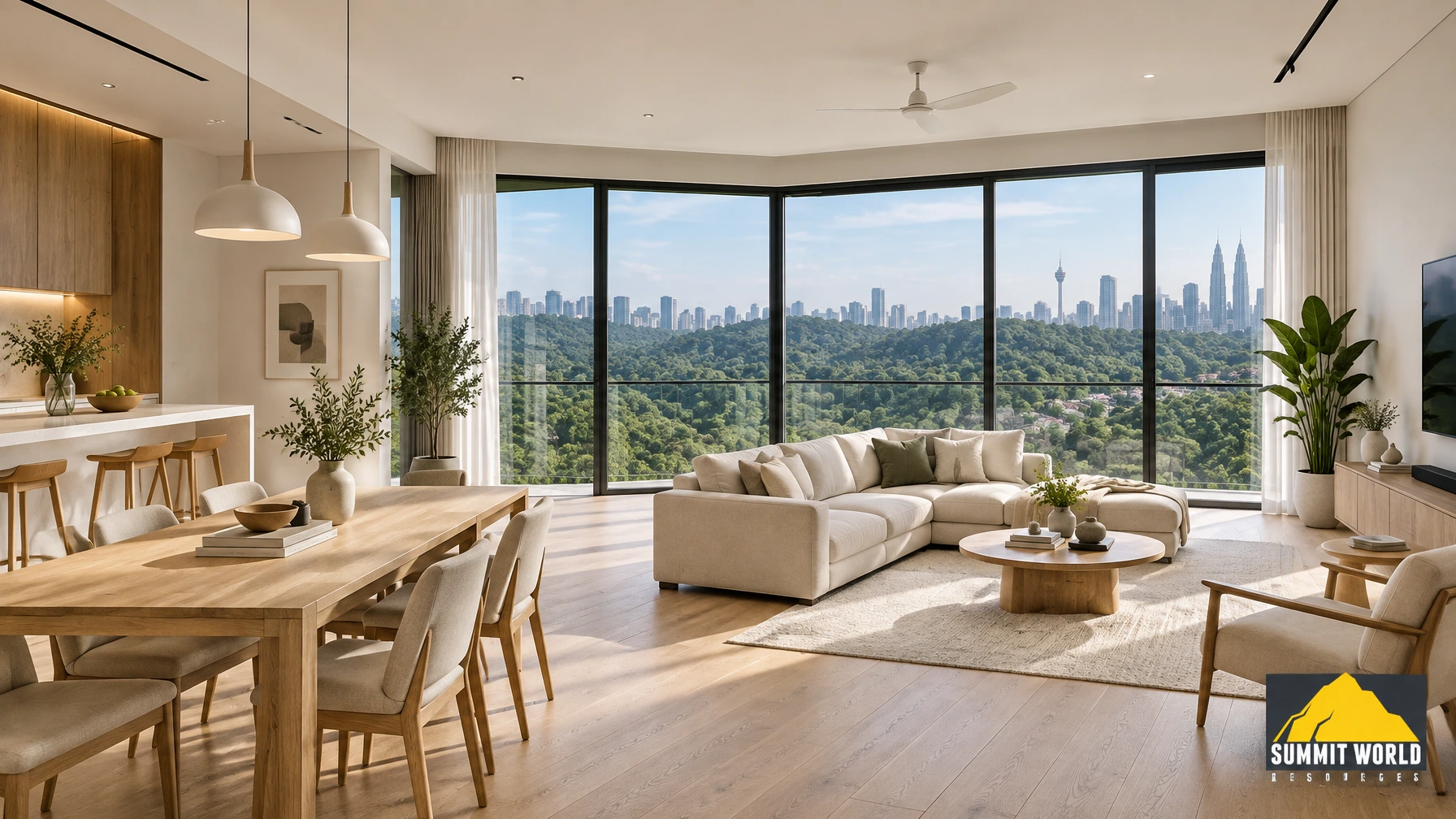
7 Best Nestree Residence Flooring Ideas for a Stunning Home
Fresh off key handovers and Vacant Possession (VP), excitement is palpable among new property owners at Nestree Residence in...
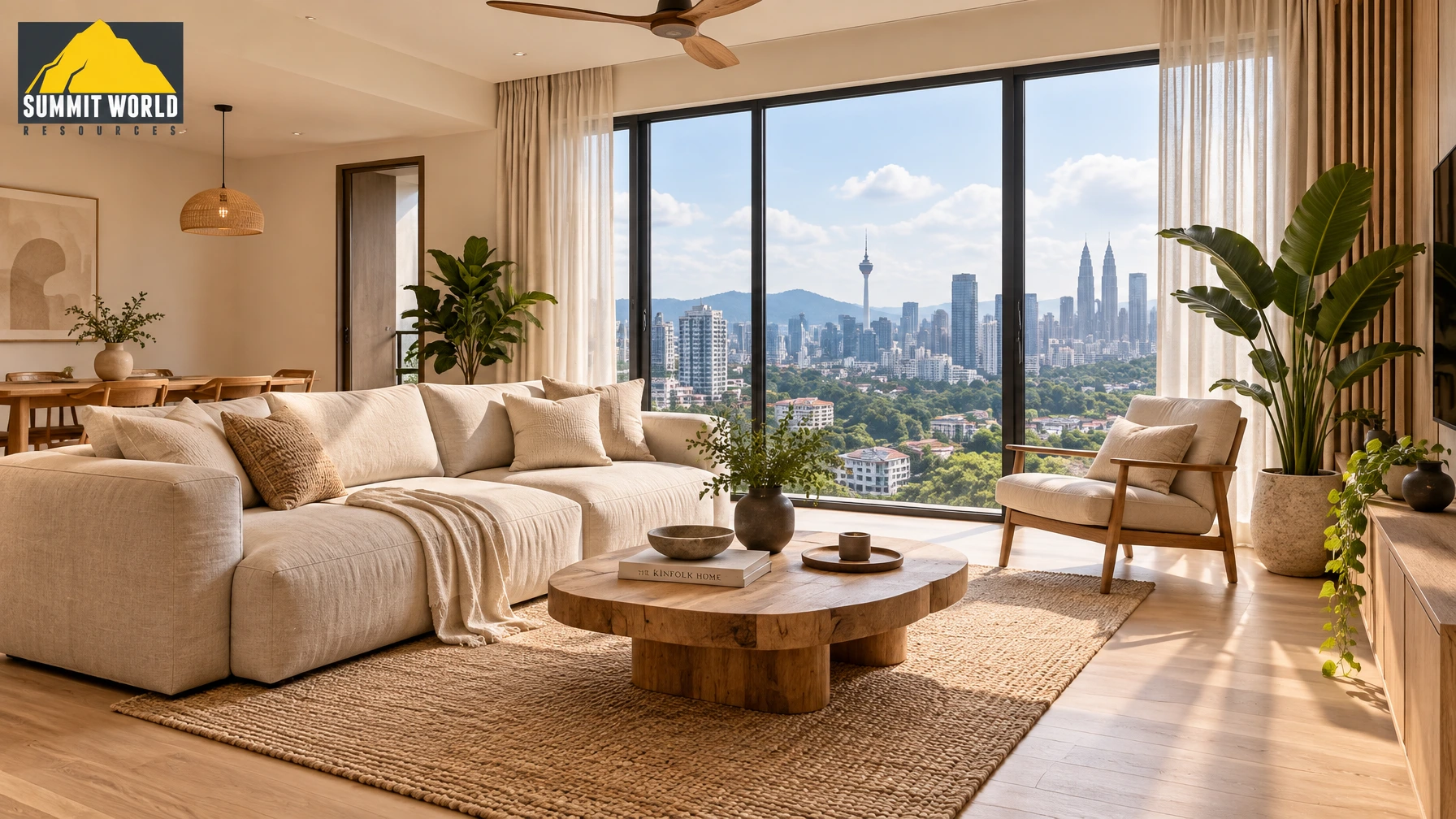
5 Ultimate Curvo Residences Flooring Ideas for a Stunning Home
Collecting keys to a newly completed home in Setapak is an incredible milestone for families moving into Curvo Residences...
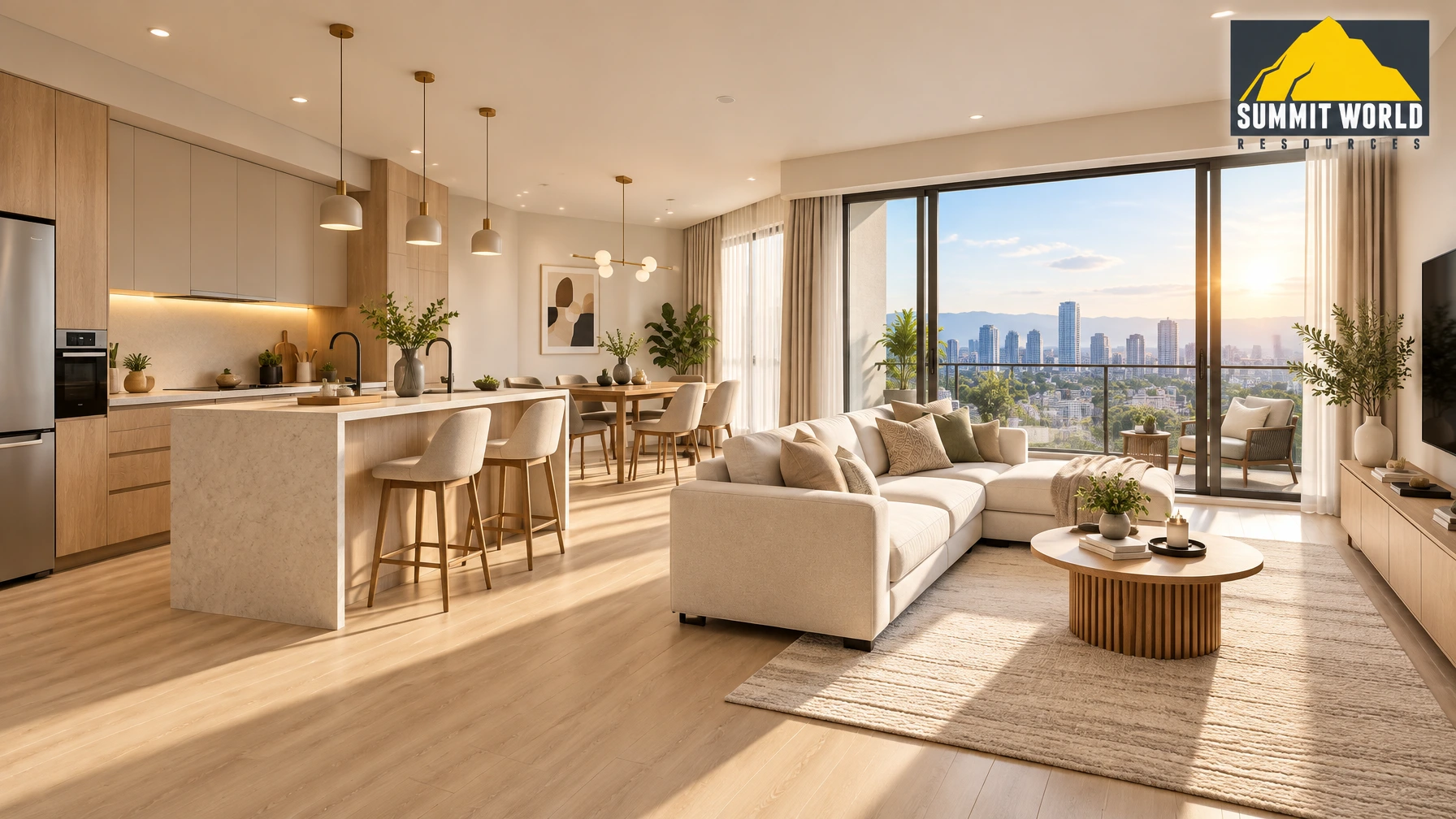
5 Proven Dwitara Residences Flooring Ideas for a Stunning Home
The skyline of Petaling Jaya South is changing rapidly, and for future homeowners of Dwitara Residences, excitement is reaching...
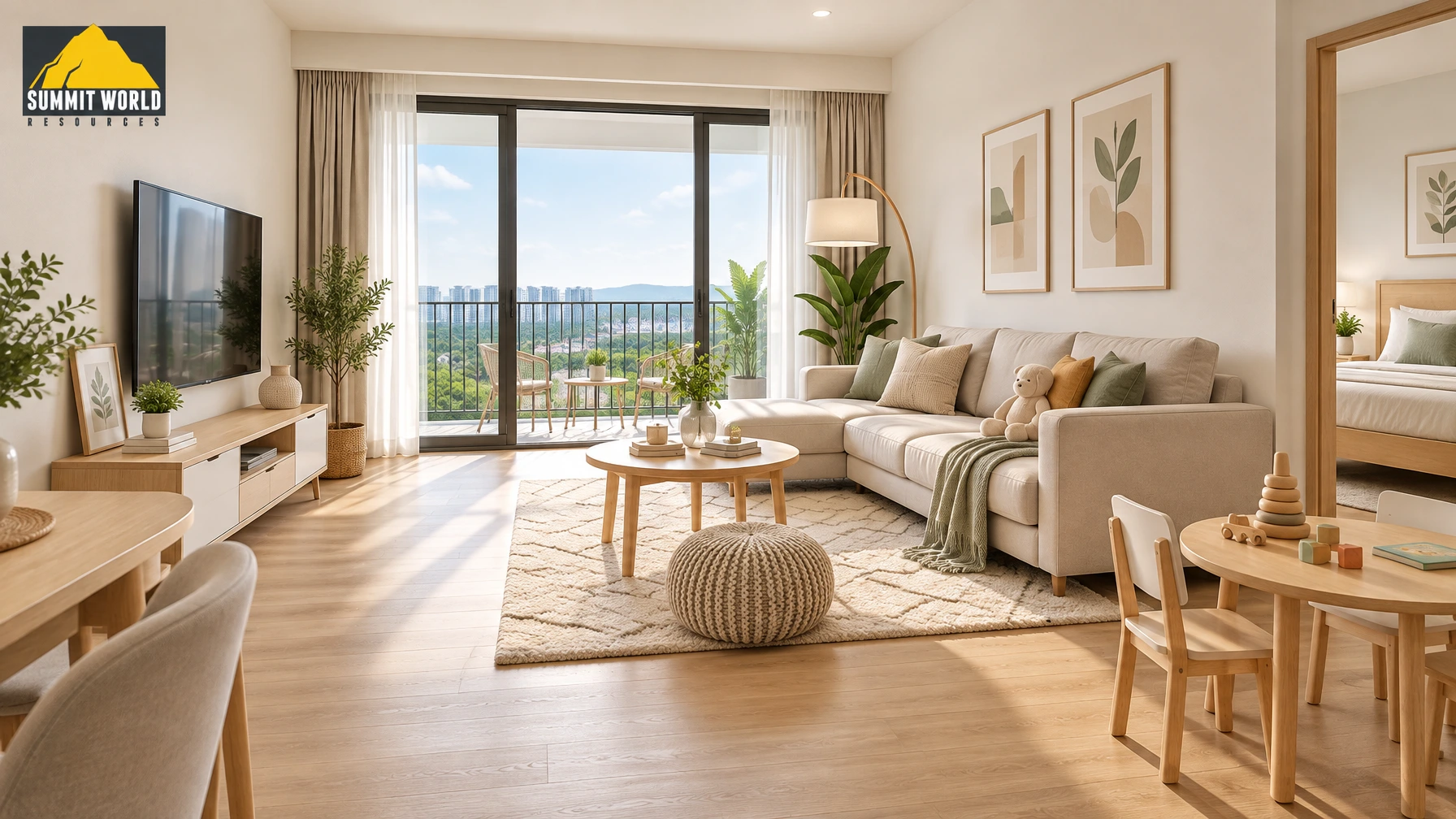
5 Ultimate ANYA Shorea Park Safe Flooring Tips
Key collection season is an exciting milestone for homeowners at ANYA Shorea Park in Puchong. Developed by OSK Property,...
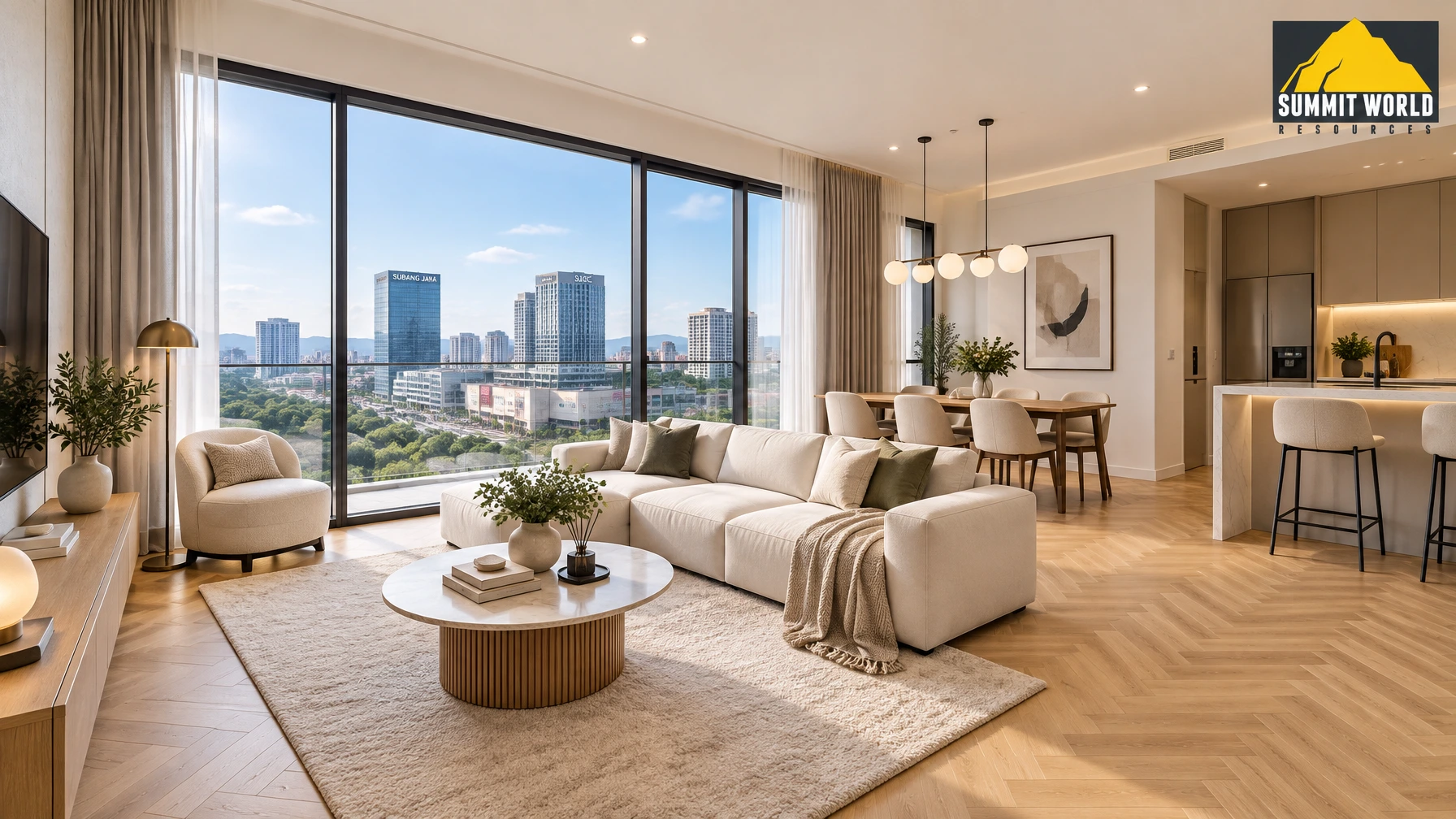
5 Ultimate Teja SJCC Pre-Completion Flooring Ideas for Stunning Condos
Teja @ Subang Jaya City Centre (SJCC) is undoubtedly one of the most highly anticipated residential developments in the...
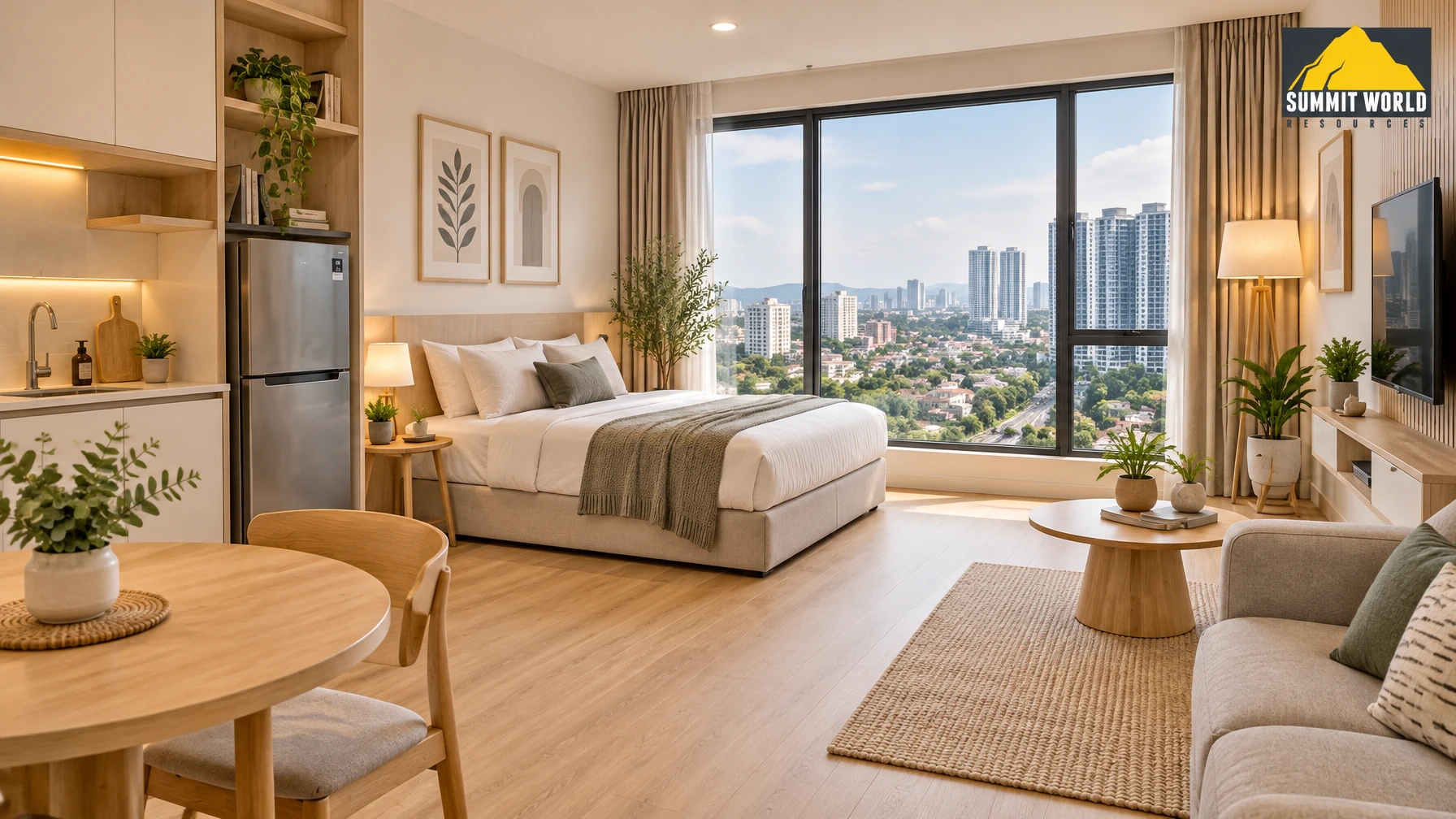
One Equine Phase 2 Renovation: The Perfect Flooring Guide
The wait is finally over! With Vacant Possession (VP) keys successfully handed over to buyers, excitement is buzzing across...
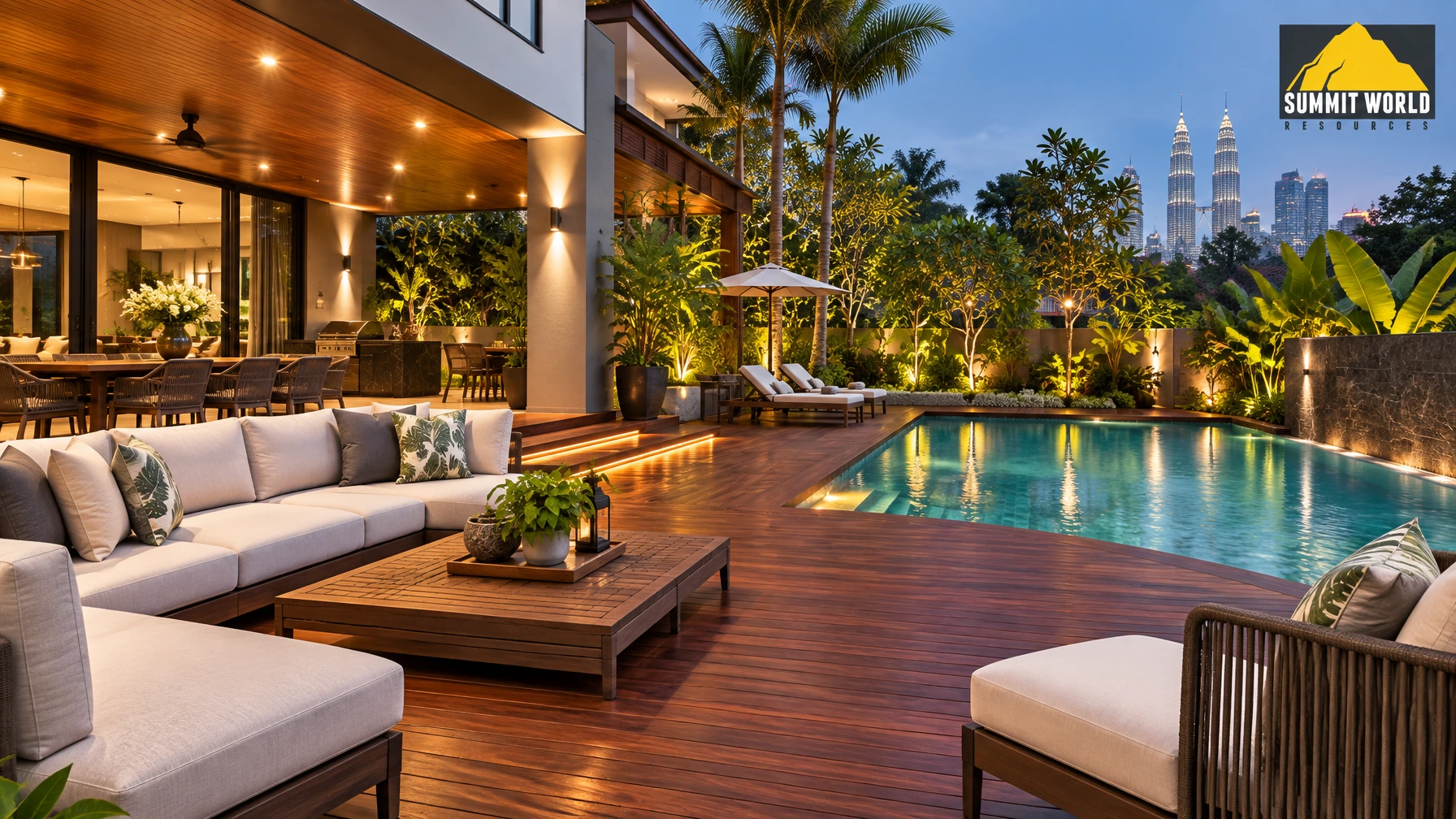
Transform Your Outdoor Space: The Rise of Timber Decking in Malaysia
In recent years, the concept of home design across Malaysia has expanded beyond interior living rooms and indoor kitchens....